
There was a time when watching the Olympics meant sitting on the couch, arguing with the TV, and pretending we understood scoring systems. Now? Thanks to social media, we don’t just watch Team USA – we get emotionally invested with them in real time.
We don’t just see medals. We get to see MRI scans, training montages, and victory dances to trending songs all live.
Here’s how social media has turned us from casual viewers into emotionally invested, mildly sleep-deprived superfans.
Skiing: The Comeback Chronicles

When Lindsey Vonn tore her ACL and still found ways to compete at the highest level, social media made sure viewers felt every step of that comeback. Her instagram consists of rehab videos, including one of her doing weighted squats on a knee she had surgery on just days before. These posts are labeled with determined captions that inspire the viewers to follow her recovery journey every step of the way.
And then when Vonn crashed? The collective gasp across timezones was louder than the commentators. It wasn’t just her fall. It was everyone’s fall. Viewers had watched the comeback arc like a bingeworthy drama series.
Meanwhile, Breezy Johnson gave us the opposite storyline: triumph. Her win felt personal because viewers followed the grind. When she posted celebrations, everyone rejoiced like they personally waxed the skis.
Figure Skating: Chaos, Quads and Calls for a Recount
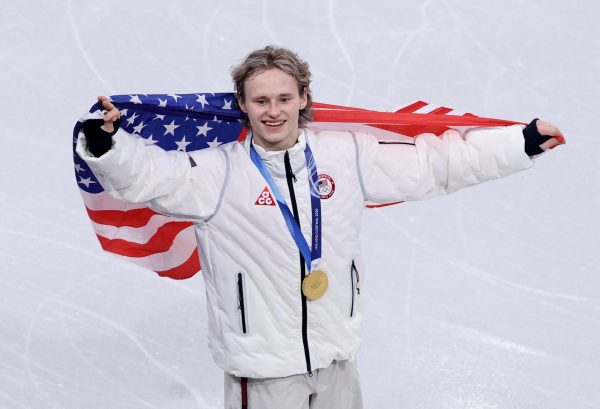
Ilia Malinin is known on social media as the “Quad God.” When he lands jumps that look physically unnecessary, social media reacts in the only appropriate way: disbelief, slow-motion replays, and people typing in all caps.
And when his skate didn’t go perfectly? The comment section turned into group therapy, analyzing toe picks as if they have engineering degrees. The “he was robbed” memes, alongside an insistence from viewers that the ice was suspiciously slippery, have turned up the heat of competition. The addition of social media causes people to not just watch figure skating but to emotionally audit it.
Then there’s the elegance of Madison Chock and Evan Bates. Their silver medal performance was stunning, graceful, and technically brilliant. But if social media had existed in the early days of figure skating, the judges might have needed witness protection.
After the couples’ second place win, fans began to speculate that the French judge had underscored the Americans to boost the French into the gold medal position.
Not because they understand the judging breakdown, but because after years of watching their chemistry, training clips, and behind-the-scenes moments, the viewers were personally invested. Social media turns viewers into loyalists. Silver somehow feels both historic and heartbreakingly close.
Curling: America’s New Obsession
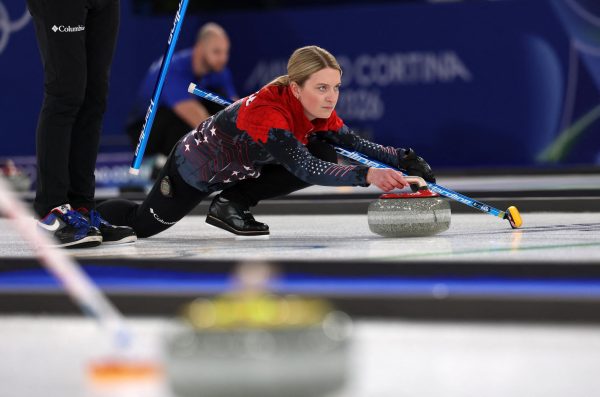
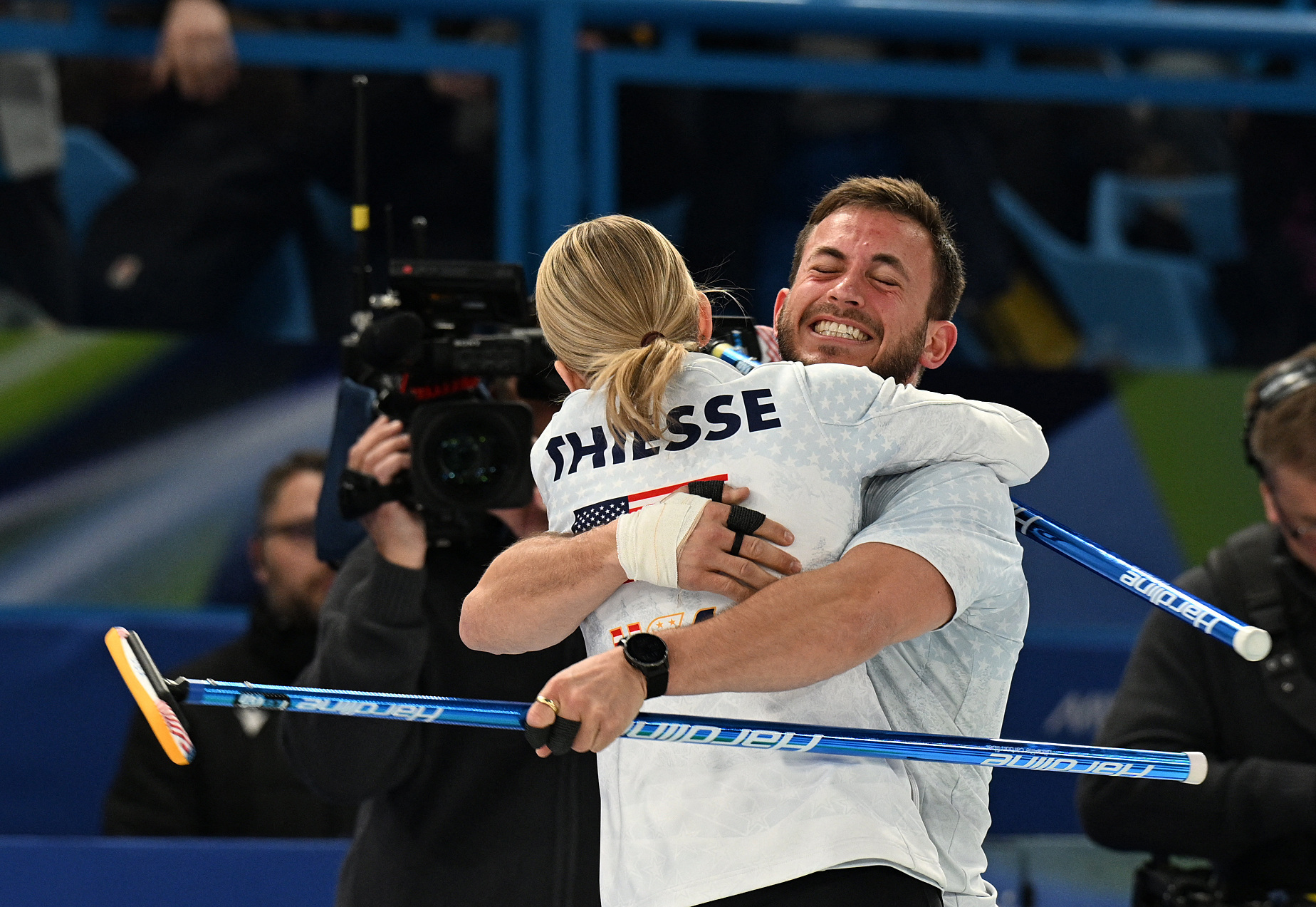
If you told someone 15 years ago curling would trend online, they would have politely changed the subject. Then along came Cory Thiesse and Korey Dropkin to bring home silver. Thiesse is the first to bring home an Olympic medal for a U.S. woman in curling.
Suddenly, everyone was an expert in sweeping strategy and rock placement. Social media made curling relatable. Athletes posted team moments, practice clips, and celebrations that made us realize this sport is intense—and also involves a lot of yelling “Sweep!” which is just objectively fun.
Social media has changed Olympic fandom in three big ways:
- People follow rehab updates like they’re breaking news.
- Viewers debate scoring systems they learned about 14 minutes ago.
- And, most of all, viewers celebrate silver medals like gold and mourn falls like a personal setback.
We don’t just watch Team USA anymore.
We root. We repost. We overreact.
And maybe that’s the point.
Beyond the podium and medal ceremonies, social media has made Olympic athletes feel human: resilient, flawed, hilarious, exhausted, and triumphant. We cheer louder now because we know their stories, even if we still don’t fully understand how curling works.