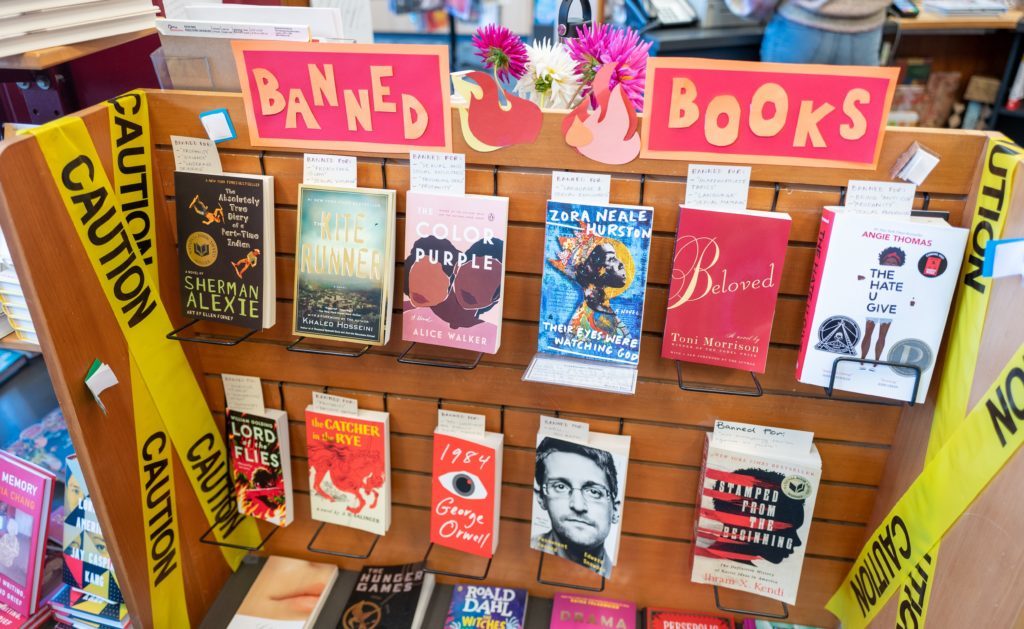
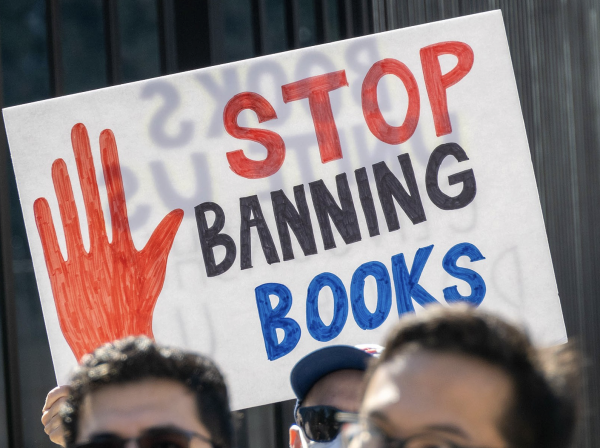
Banned books have always been a topic that most people tend to accept rather than question. According to PEN America, there have been nearly 23,000 book bans in public schools across US school districts since 2021. Books are often banned or challenged for reasons related to political, social, and religious beliefs, as well as offensive language, violence, and mental health. Experts argue that even though making sure that age-appropriateness is important, eliminating books from the access of students is not the best approach. Instead, they believe that learning about these difficult topics can be valuable for young people. There are many students who can be struggling mentally, and reading books where they can see themselves in a character helps students connect with the story and relate to experiences they might not encounter in their everyday lives.
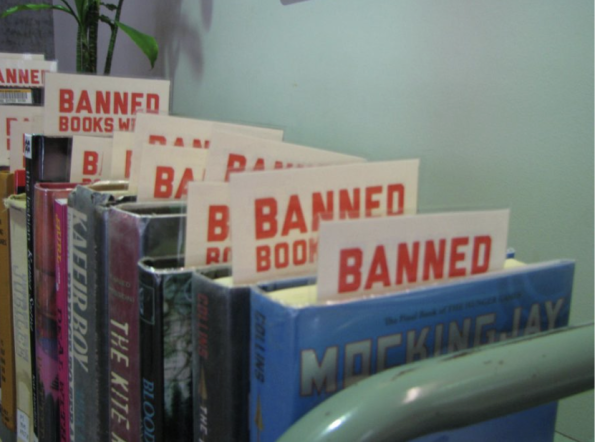
As I spoke with Mrs. Bontempo, our school librarian, she explained that while parents have the right to guide what their own children read, that responsibility should not extend to controlling the choices of every student. She emphasized that decisions about library collections should be made by certified librarians who follow professional guidelines designed to support the students’ needs rather than individual opinions. Even though she hasn’t seen books actively challenged in our school, she noted that “self-censorship” can still happen when librarians avoid adding certain titles because they worry how parents or teachers might react. This kind of pressure can limit students’ access just as much as an official ban, even when it goes unnoticed.
Many of the books that end up banned or challenged tend to deal with real issues that students face, including suicide, depression, substance abuse, and bullying. These topics often make adults uncomfortable, leading them to claim the books are “too heavy” or “not age-appropriate,” especially for middle school readers. But removing these stories can actually harm the students they’re meant to protect. Books that explore mental health, trauma, or identity provide opportunities for readers to understand themselves and others, supporting their emotional growth. When stories about personal struggles or experiences connected to race, identity, or marginalized communities are restricted, it can make students feel invisible or unheard. While adults may think banning these books keeps students safe, experts argue that learning about difficult topics through literature can actually help young people navigate challenges and better understand themselves and others.
Mrs. Bontempo also shared an article written by Dr. Rudine Sims Bishop that uses the concept of “mirrors, windows, and sliding glass doors” to advocate for diverse books. The author uses mirrors to show how books can reflect the reader’s own life and experiences, giving them a sense of recognition and understanding; windows to show readers experiences and challenges that might differ from their own; and sliding glass doors to invite readers into someone else’s world, which helps them gain empathy for others. Mrs. Bontempo emphasized that limiting certain books in a school library restricts these opportunities for reflection, perspective, and connection.
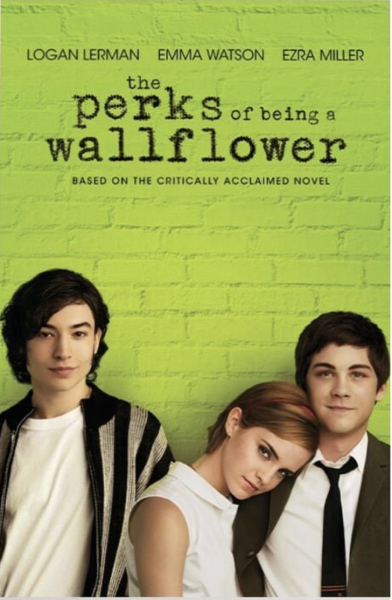
This idea connects directly to The Perks of Being a Wallflower, which has been one of the most frequently challenged books in schools across the country and is often targeted for its discussions of mental health, trauma, identity, and the realities that many teens face. Despite these challenges, the book remains deeply meaningful to students who see parts of their own lives reflected in Charlie’s story. Instead of The Perks of Being a Wallflower encouraging harmful behavior, it opens up conversations about emotions, friendship, and these challenges. Mrs. Bontempo explained that removing books like The Perks of Being a Wallflower takes away opportunities for connection and support.
Book bans may be intended to protect students, but they often do the opposite by limiting access to stories that reflect real experiences and challenges. As Mrs. Bontempo explained, students benefit most when trained librarians guide collections and when young people are allowed to explore difficult topics through literature. Allowing access to diverse books helps students feel seen, understand others, and navigate their own lives with greater insight and empathy.