


When sophomore Ibrahim Shakeel felt overwhelmed by school, he found his relief on the soccer field. “Soccer is the best way to relieve stress,” Ibrahim said, especially during tough times.
Soccer can significantly help with stress, especially when starting at a young age. It is known to improve cognitive, social, and emotional skills. Soccer extremely shapes kids, allowing them to grow up feeling more confident in themselves, as well as enhancing their mental health. Kids who grew up playing soccer on a team tend to have better communication, leadership, and collaboration skills with others, which positively impacts their future, even outside of their sport. As a matter of fact, studies show that the longer people spend playing soccer, the better their mood and mental health will be, because of the mood-boosting effects of endorphins and increased physical activity.
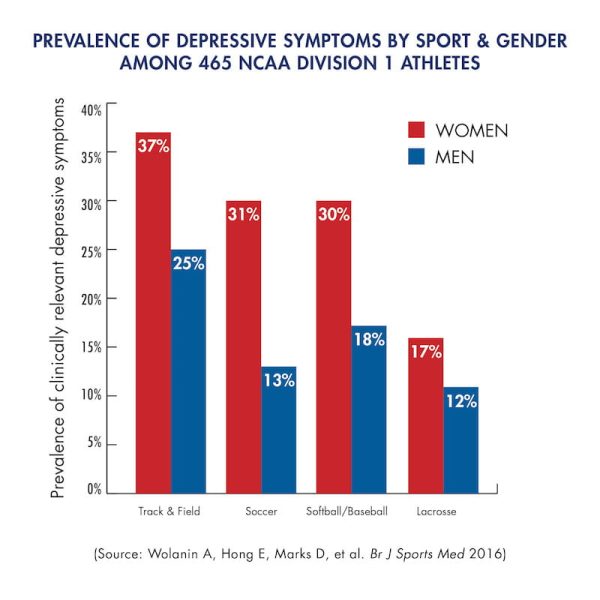
Although soccer is known to help improve many internal conflicts within a person, it also tends to lead to mental issues such as anxiety, depression, or burnout, according to 35% of elite athletes. According to data collected by researchers at Drexel University and Keen University, it shows that most athletes among 465 NCAA division 1 athletes experience symptoms of depression because of their sport. Sports can cause players to be too harsh on themselves and compare their abilities to those who are more advanced than them. Many people begin to practice more outside of their team to improve their skills, which positively affects them, because the more physical activity people participate in, the more energy they will have overall, boosting their physical health. This shows how soccer can have beneficial effects, while still having some negative effects towards players.
Ibrahim’s passion for soccer began when he was only six, inspired by his older cousins. “What I enjoy most about being on the JV team is the friendships and how close everyone is,” Ibrahim said. “My teammates are always supportive, and practices and games are both fun and challenging.” These bonds that Ibrahim explains are built on shared vulnerability and the commitment that’s required by the game. It fosters communication and collaboration skills that will eventually benefit the players much after the season ends.

He explained that soccer plays a big role in his mental health too, especially after school. “Playing soccer is the best stress reliever for me. It helps me forget about homework and tests, and running and focusing on the game clears my head,” he stated. During the first couple weeks of sophomore year, Ibrahim shared that the new environment and workload caused him stress, but being able to play soccer was his main source of calm and stability.
Ibrahim says that soccer has shaped his mindset, not just during games, but that way he approaches challenges in his everyday life. He explained that soccer “has made me more confident”, which taught him resilience, and allowed him to “apply that same mindset in school. If I fail a test, I study harder, just like I practice more after a bad game.” Without soccer, Ibrahim describes how his life wouldn’t feel the same. “I would feel less confident and probably more stressed because soccer gives me structure and a way to release energy,” he explained. His advice to other students was to just play for fun. You shouldn’t worry about being the best, but instead enjoy yourself.
For Ibrahim, soccer’s true goal isn’t just about winning, it’s about building the resilience needed to tackle any challenge, on the field or in the classroom. His story shows how soccer can shape not only physical ability, but also confidence, resilience, and overall mental health.