




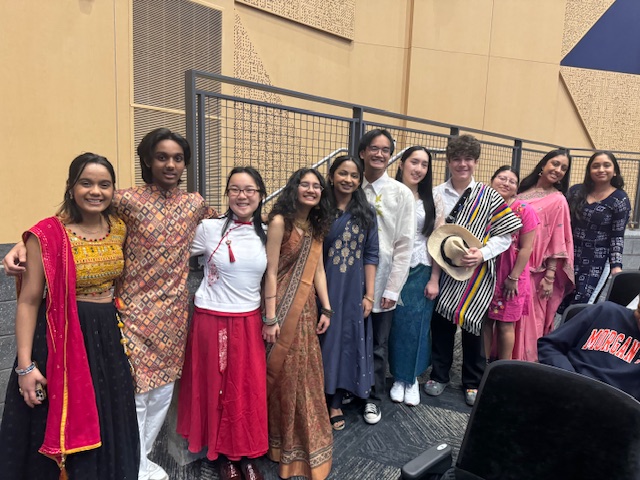






Around this time of year, many different cultures share their own way of celebrating around the holidays, such as different greetings, rituals, customs and even dances that express tradition and bring people together.
Eastern Orthodox, Protestants and Roman Catholic Traditions
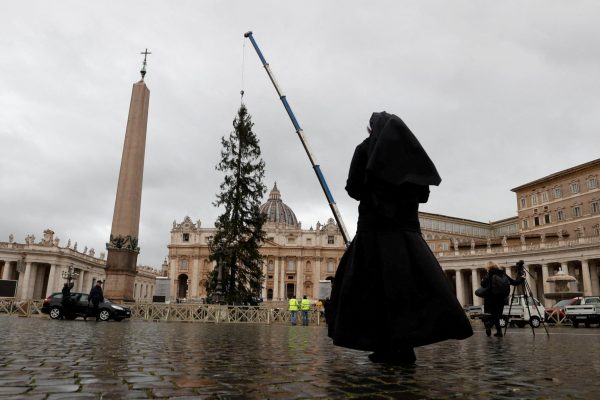
One of the most recognized traditions comes from Christianity, a religion celebrated throughout the world. Roman Catholicism has many followers in countries like Italy, Spain, France, Switzerland, Ireland, Germany, Belgium, Brazil, Mexico, U.S., Columbia, Philippines, Democratic Republic of Congo, and more. These countries celebrate Midnight Mass, held in Catholic churches on Christmas Eve. It honors the birth of Jesus Christ through prayers, carols like “Silent Night” and “O Holy Night,” uplifting music, and symbolic rituals such as sharing bread and drinking wine.
Just as Roman Catholics and Hispanic communities have beautiful and unique traditions, Eastern Orthodox Christians celebrate in a different way, with customs that lead up to January 7th. Eastern Orthodox Christianity is followed in many countries including Russia, Romania, Greece, Ukraine, Serbia, Moldova, Albania, Cyprus, and more. Orthodox Christians follow the Julian calendar and celebrates Christmas on January 7th, 13 days after December 25th. Members of the Orthodox Church even fast 40 days before Christmas. Meat, fish, and eggs are not allowed, but plant-based foods are generally permitted. After Christmas Eve, families and friends gather to organize a vast feast to celebrate their last day of fasting. As part of the Ukrainian and Russian tradition, they have 12 dishes during Christmas Eve to represent Christ’s disciples, including cabbage rolls, vegetable stew, and bread.
Along with the Roman Catholics and Eastern Orthodox Christians, there are Protestants. It began in Europe in the 16th century and grew over time, making it the largest branch in Christianity. They eat foods like ham and turkey and other baked goods such as mince pies and cakes.
Hispanic Traditions
In Central America communities, Three Kings Day is celebrated on January 6th with colorful parades, gifting, and foods like Rosca De Reyes, lechón, tamales, quesitos, bolo rei, and more! Beyond these traditions, they acknowledge the story of the magi, who followed a star that led them to honour a newborn baby, Jesus, by giving him gifts such as jewels, coins, and gold. On January 5th in Puerto Rico, the children leave a box filled with hay under their beds so the kings will leave them nice presents.
Meanwhile, in the Philippines, Spain and across Latin America, communities celebrate Misa de Gallo, an adored tradition commemorated with star-shaped lanterns, caroling, and festive gatherings. This tradition lasts from December 16th to December 24th and is full of music and lights. Misa de Gallo reflects on the roosters crying at dawn, signaling the start of the day.
German Traditions
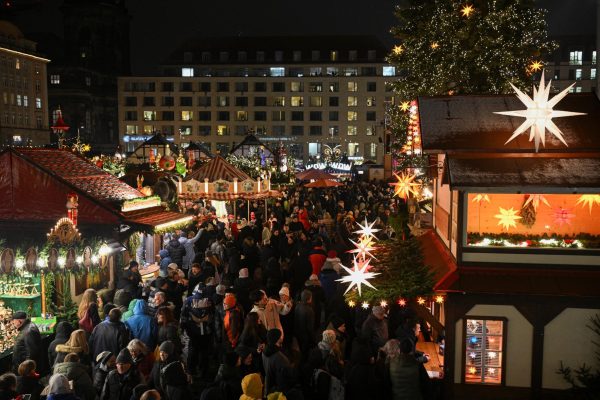
In Germany, there are many Christmas traditions to celebrate and activities to do, from visiting festive street stalls, lighting up candles, hanging wreaths, exchanging gifts, and tree decorating.
Along with these celebrations, one of the most loved parts of the season is the Weihnachtsmärkte (Christmas market). It begins in late November and lasts until Christmas Eve. These authentic street stalls fill the town with lights and music, bringing everyone together. Across Germany, there are typically 2,500 to 3,000 individually owned stalls that are either selling foods, decorations, or clothing.
While the markets bring joy, Adventizeit adds a much quieter excitement to the holiday season. Families place advent wreaths on their homes, and they light one candle each Sunday just weeks before Christmas begins. This tradition symbolizes waiting for the arrival of Jesus, filling it up with hope. In addition, families bake desserts like fruit bread powdered with sugar and vanilla cookies, making each home warm and welcoming.
French Traditions
In France, Le Réveillon de Noël is a part of Christmas Eve. On December 24th, families and close relatives gather for a festive feast. Children place their shoes near the fireplace, and the Pére Noel fills them up with small treats and little gifts.
After the excitement of presents, the evening continues with a grand feast. The meal often begins with seafood such as oysters and smoked salmon followed by holiday favorites like roasted turkey. Goose and lobster are also very popular dishes during the feast. For dessert, families enjoy a famous dish called buche de Noel – A chocolate swiss roll with chocolate on the outside, made to look like an actual log. They also celebrate with, galette des roi – “A kings cake” – is baked and usually has a toy, jewel, or coin hidden inside the cake.
Polish Traditions
In Poland, Christmas is celebrated through family gathering on Wigilia – a Polish name for Christmas Eve. It’s the most important part of the holiday, filled with spending time with close family and friends. During this time, families prepare 12 meatless dishes, each one representing Christ’s disciples. Before the meal, each person wishes love, forgiveness, and blessings to others by breaking a piece off of opłataki – a thin wafer made out of water and flour. The celebration continues into Boże Narodzenie, or Christmas Day. Families rest and enjoy leftovers from Wigilia as many children open up presents.
Italian Traditions
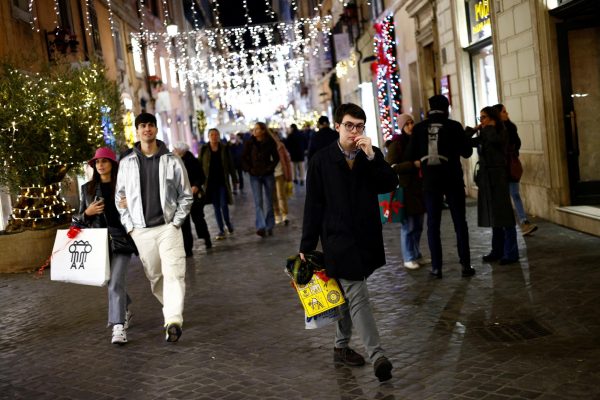
For the Italian-Americans, Christmas Eve is a night where everything comes together with food, family, and faith. The Feast of Seven Fishes, also known as La Vigilia, is a celebration of deep bonds that connect generations together. Over time, this became the practice of rich cooking.
Alongside this custom, families fill the table with seven seafood dishes, sometimes expanding to 10 or 13 – favorites like the shrimp, octopus and baked clams are included in the feast. Many families even include some original dishes like spaghetti, and a few vegetables.
For Italian families that live in Italy, the Christmas tradition centers on La Befana, a loved witch that flies around with a broom stick and arrives during Epiphany Eve. She leaves fruit and sweet treats for the nice and coal, garlic, and onions for the naughty.
African Traditions
Kwanzaa is a week-long celebration honouring African Heritage. Celebrated mostly in the United States, Canada, and the Caribbean. Observed from December 26th to January 1st. It was created in 1966 by Dr. Maulana Karenga to strengthen community and cultural honour. To start, the holiday is built on seven core principles – unity, self-determination, responsibility, cooperation, purpose, creativity, and faith.
Each evening, families light the kinara – a candle holder for seven handles – and share stories. Reflecting on the principles. Telling the importance of family, community, and cultural identity. In addition to the candles, families celebrate with food, making dishes like black-eyed peas, macaroni and cheese, buttermilk fried-chicken and a dessert of red-velvet cake.
Judaism Traditions
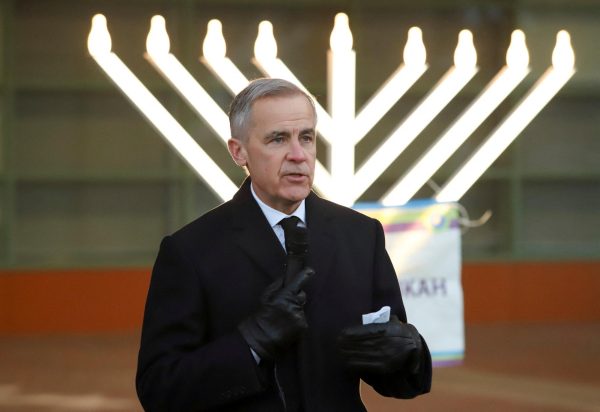
Hanukkah, known as the “Festival of Lights,” is a 7 days and 8 nights Jewish holiday that celebrates faith, bravery, and joy. The word Hanukkah means “dedication” in Hebrew. The holiday begins on the 25th of Kislev, usually falling in late November or early December. The night started with only so much oil that was only supposed to be enough to light for barley one night. Yet for eight days it did, violating the laws of nature and being deemed a miracle. The candle lighting symbolizes unwavering faith and shows that there is hope that one can achieve things far beyond what the eye can see.
To remember the origins, families light the menorah each night. Alongside this tradition, fried foods like latkes, matzo ball soup, and babka are enjoyed. Another favorite custom is the popular dreidel game: a four sided spinning game with tasks written in Hebrew on each side. It is used to bet on chocolate or other treats, and each person spins it to see if they won half, none, or everything. Besides games, there is lots of gifting which was influenced by Christmas.
East Asian Traditions
The Dongzhi Festival, meaning “Winter’s Arrival” is celebrated in East Asia – particularly in Taiwan, China and Vietnam. It is held usually on December 20 – 23rd. It marks the shortest day and the longest night in the northern hemisphere.
Another key part of the tradition is the food, families eating rice balls called tangyuan – dated back to the Song Dynasty (960 – 1279). Wonton soup is another delicious food that pretty much has the same amount of stuffing as dumplings. During the festival, families worship their ancestors, and set up incense burners as well as food like dumplings, steamed chickens and cooked pork. Rice wine is another part of the tradition, prepared alongside the food. It is enjoyed by adults and it’s made with sticky yellow rice as well as scented osmanthus.
Throughout each culture a unique tradition or celebration that connects them to their heritage is an important part of the winter months. While some celebrate with holidays while others take the time to spend together with their family and friends. Even though each tradition has its own things that make it unique they are all connected with delight.