




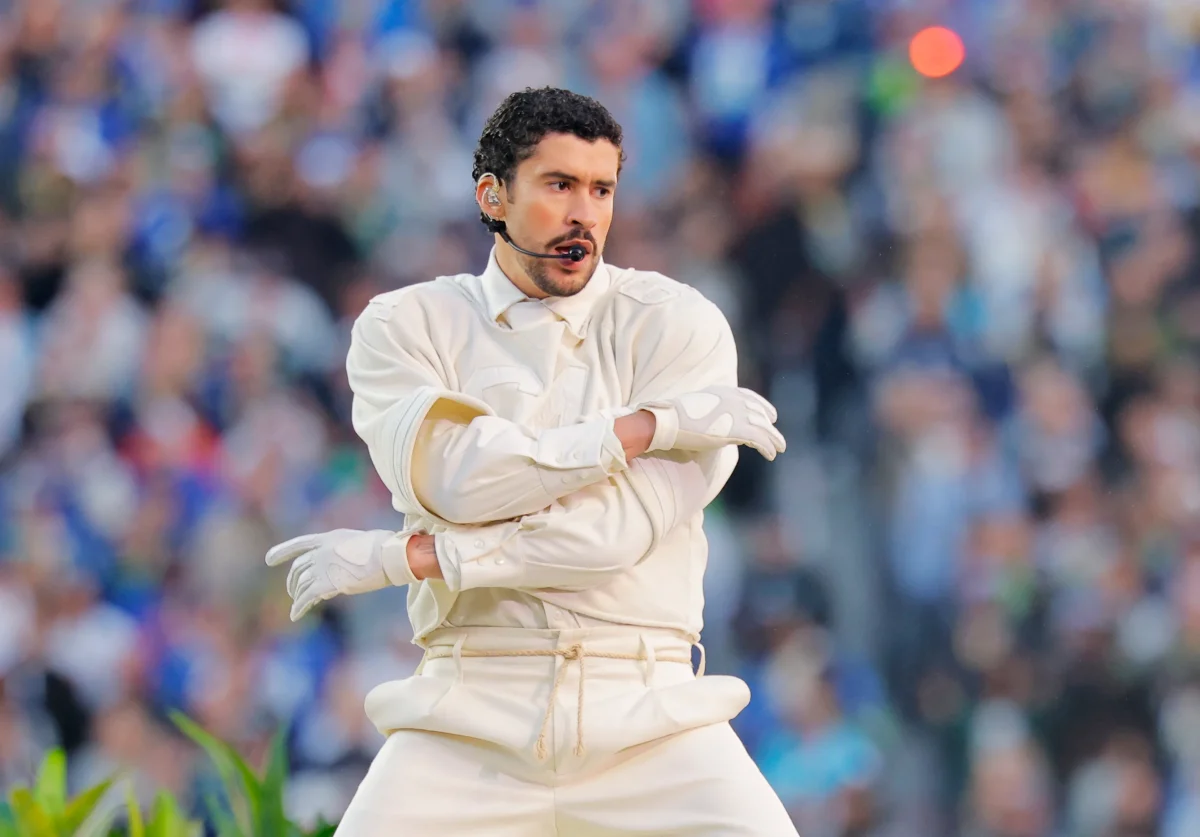









When Bad Bunny took the stage at the Super Bowl LX halftime show on February 8 2026 his performance was not just entertainment it was a deliberate cultural and political statement. On one of the most visible platforms in the United States he used music and symbolism to directly affirm the presence, history, and legitimacy of Latino and Hispanic communities within the American narrative.
From the very beginning the performance was layered with cultural symbolism. The opening sequence set in a sugarcane field paid tribute to Puerto Rico’s agricultural roots and the labor of past generations. Sugarcane represents the island’s history, resilience, and the sacrifices of workers whose contributions often go unrecognized. By bringing the imagery to a global audience Bad Bunny honored his heritage and acknowledged the foundation built by those before him.
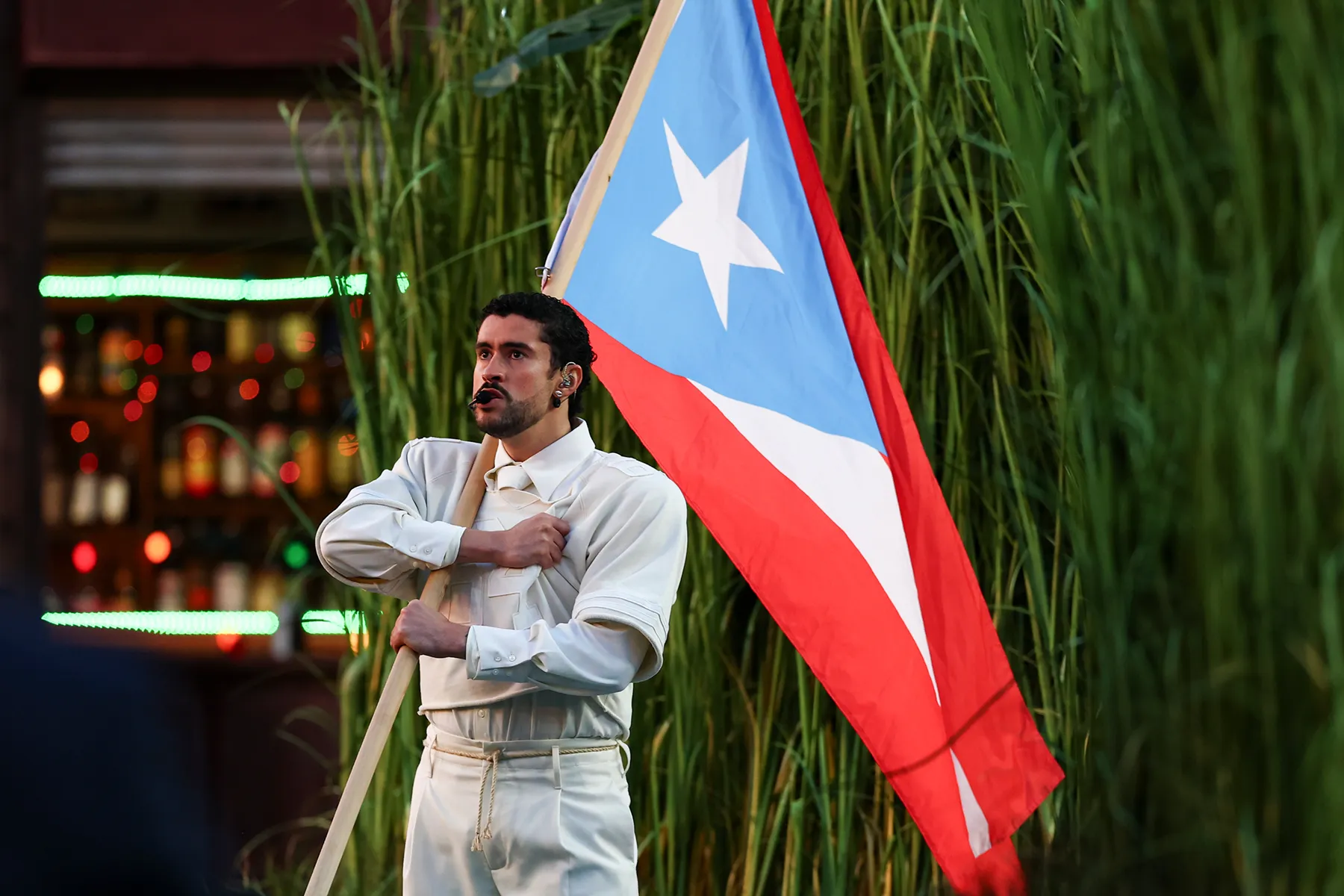
One of the most significant moments came when he declared, “Together, we are America.” In a country where “America” is often used to refer only to the United States, Bad Bunny broadened the definition with this message. By referencing countries across Latin America and speaking in both Spanish and English he emphasized Pan-American unity declaring that America includes the entire hemisphere.
Pan-American
Relating to, representing, or involving all the countries of North and South America
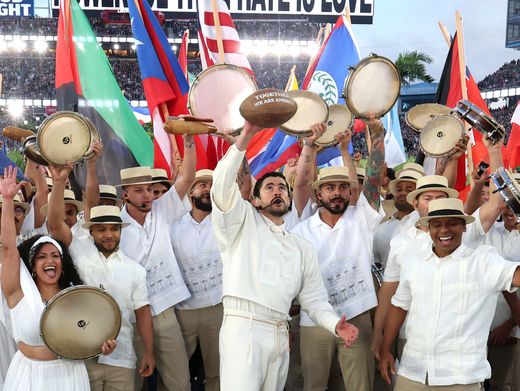
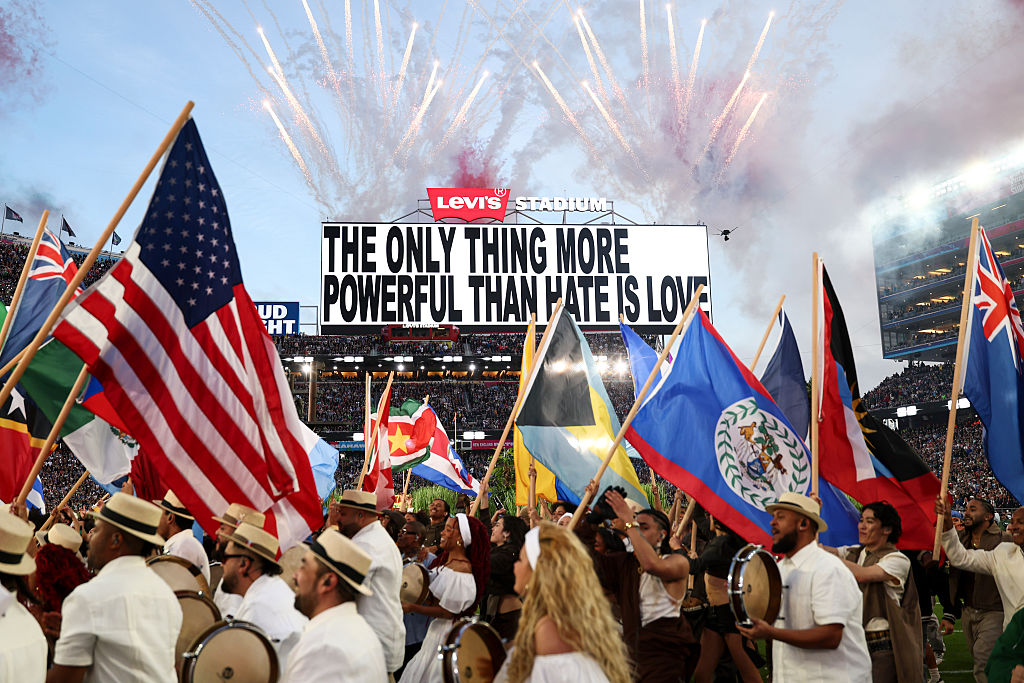
His use of the phrase “Seguimos aqui” meaning “We’re still here” carried even greater weight. For many Latinos especially Puerto Ricans, those words reflect histories of colonization, migration, and political marginalization. Declaring that phrase on the Super Bowl stage transformed it into a statement of endurance and pride. It highlighted that Latino communities are not new arrivals to the American story but they are in fact deeply rooted within it.
The symbolism extended beyond words. Latin American flags waved prominently. Traditional rhythms blended with the reggaeton beats. Rather than delivering a speech, Bad Bunny relied on imagery and performance to communicate his message. This “show, don’t tell” approach allowed culture, language, music, and movement to play as a political expression.
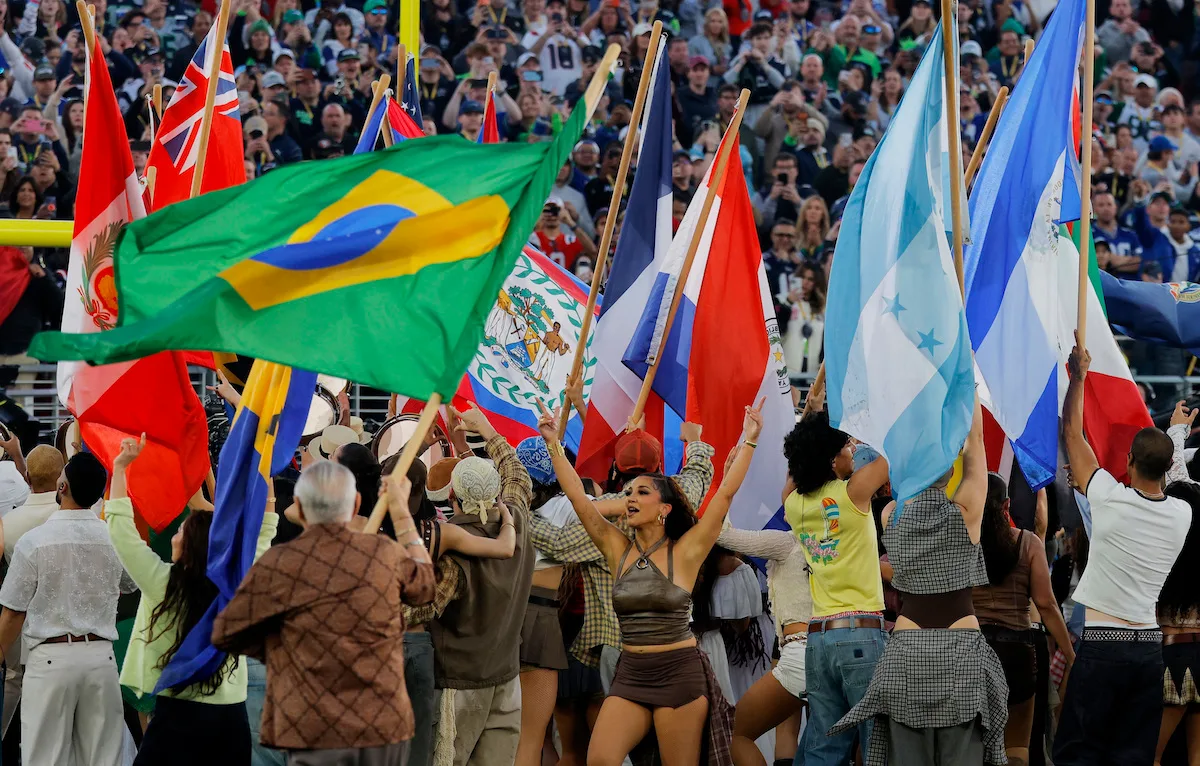
Bad Bunny’s appearance as a Spanish artist headlining one of the country’s largest televised events changed ideas about who gets to represent the United States on a global stage. By doing this, he challenged common beliefs about language, identity, and national representation.
Ultimately, the halftime show stood as a clear affirmation. Latino and Hispanic communities are central to the cultural and social fabric of the United States. Through symbolism, language, and unapologetic cultural pride, Bad Bunny used the Super Bowl stage to insist on recognition, visibility, and inclusion.