






















The same company known for charging you $47 in “mystery fees” for a $30 concert ticket… might be a monopoly? Groundbreaking. Revolutionary. And yes, people have been saying this for a while.
A federal jury just ruled that Live Nation (Ticketmaster’s parent company) illegally monopolized the ticket industry after a week-long trial. Honestly, this feels less like a shocking verdict and more like the world is finally catching up.
For 4 years, buying tickets has basically been a competitive sport. You log in early, you pray you somehow get a pre-sale code. If you somehow win? Congrats, your $80 ticket is now $143 thanks to service fees, convenience fees, and whatever other fees they can come up with.
According to the ruling, that wasn’t just bad luck.
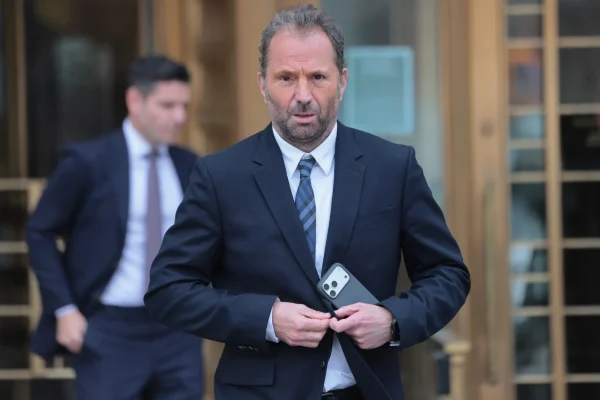
The jury found that Ticketmaster and Live Nation had so much control over venues and ticket sales that they could basically shut out competitors and push prices up.
And it gets even worse. Live Nation allegedly pressured venues and artists into using their systems or else they risked losing access to major tours. So that feeling like you had no other option? You kind of didn’t.
The jury estimated fans were overcharged about $1.72 per ticket due to the monopoly. $1.72. Not $50. Not $100. A dollar and seventy-two cents. Which doesn’t sound like much until you realize that’s per ticket, across millions of tickets, over years. Suddenly, that small number turns into hundreds of millions of dollars.
So before you start planning your $20 front row ticket era, relax. Experts explain, don’t expect instant cheap tickets. Because now we enter the next phase of any corporate scandal: legal aftermath limbo. These possible outcomes could include huge fines, forced changes to business practices, or even breaking up Live Nation and Ticketmaster, but that’s all still being decided. And, as most companies do in this position, Live Nation is planning to appeal, so this could drag out for a while.
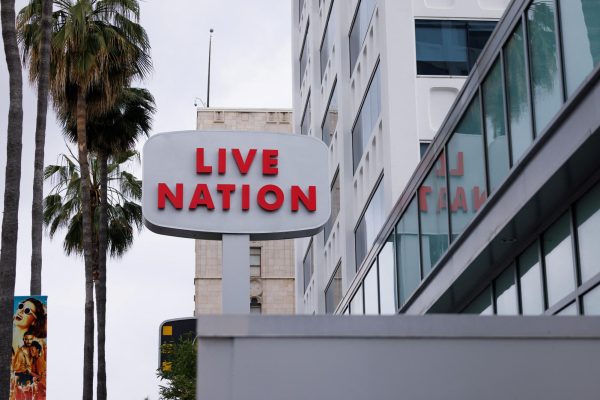
So what was the actual problem? In non-lawyer, normal people language, Live Nation didn’t just sell tickets. They owned venues, promoted tours, and controlled ticket sales, which is basically like owning the stadium, the team, the scoreboard, and the ticket booth… and then acted surprised when no one else could compete. At one point, Ticketmaster handled about 86% of ticket sales at major venues. That’s not winning the market. That’s being the market.
This slow moving train wreck wasn’t sudden, it’s been building. After years of complaints and virtual ticket disasters, artists and fans are both getting fed up. And now? A jury confirmed the concerns that people have been raising for years. The system wasn’t broken, it was built that way.
Ticketmaster wasn’t a ticking time bomb because of one bad decision. It was a ticking time bomb because it kept stacking power fees and control until, eventually, until the legal system finally stepped in. So, next time you’re about to buy Harry Styles tickets, remember the ghosts of ticket sales past and rejoice in the death of “mystery fees.”