




















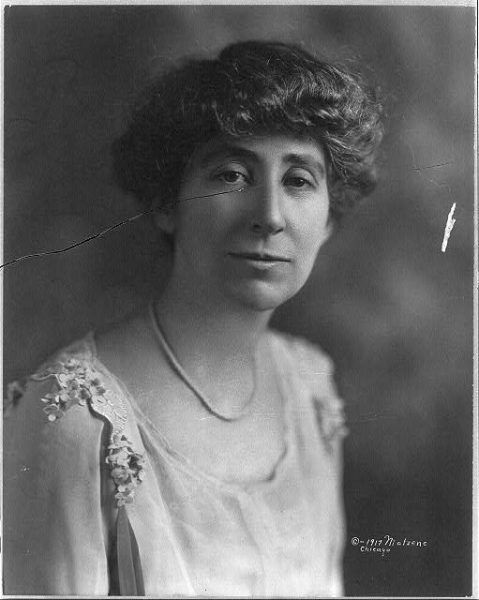
Fast Facts
Full Name: Jeannette Pickering Rankin
Lifespan: June 11, 1880 – May 18, 1973
Nationality/Origin: American
Primary Field of Influence: Politics / Pacifism
Most Notable Achievement: First woman elected to the U.S. Congress
Profile Overview and Significance
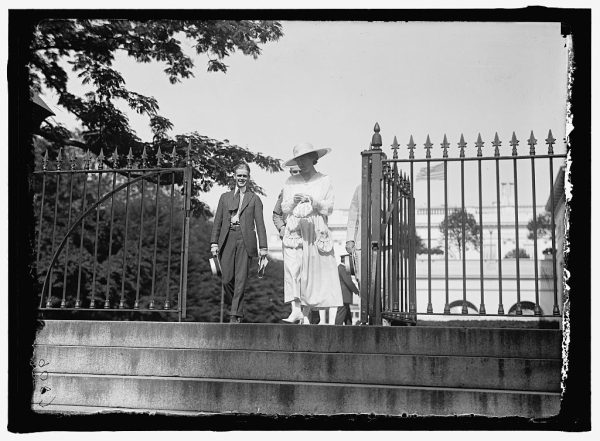
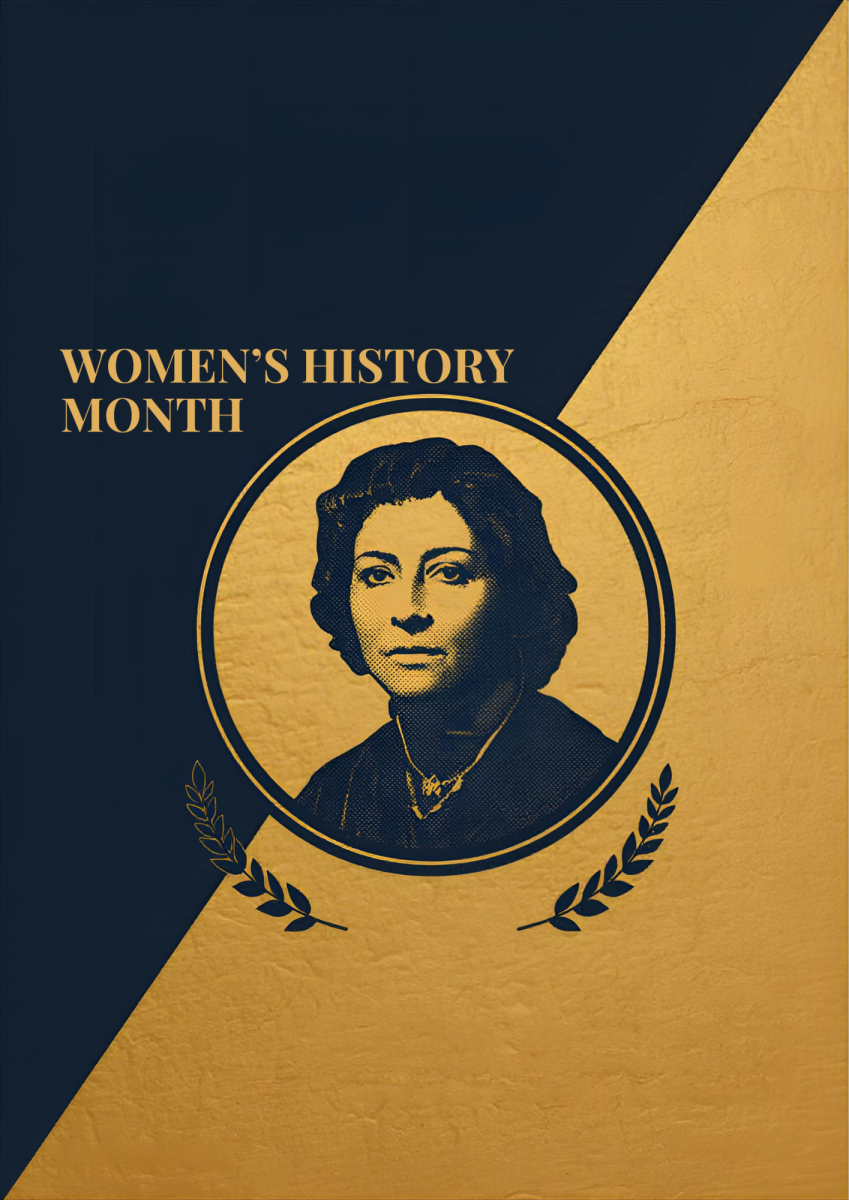
Before American women could even vote nationwide, Jeannette Rankin was already sitting in Congress, making decisions that shaped the country. In 1916, she became the first woman elected to the U.S. House of Representatives, breaking a political barrier that had existed since the founding of the United States.
Rankin was not just a symbolic figure. She became known for something far more controversial: an unwavering commitment to pacifism, even when the country was demanding unity in war. While many politicians bent to pressure, Rankin refused. She voted against entering both World War I and World War II, making her one of the most controversial–and principled–figures in American political history. Her legacy sits at the intersection of women’s rights, political courage, and anti-war activism.
Historical & Cultural Context
Rankin entered politics at a time when women were still fighting just to be recognized as political citizens. In the early 1900s, women serving in Congress sounded absurd to many people. Politics was considered a male domain completely off limits to women since it was seen as loud and aggressive.
But Rankin came from Montana, a state that had already granted women the right to vote in 1914. The early victory gave her a political opening most women in the country didn’t have yet.
Before running for office, Rankin was a social worker and became deeply involved in the suffrage movement. She campaigned across the west, speaking at rallies and organizing support for women’s voting rights. These experiences shaped her political philosophy. She believed democracy only worked when everyone (especially women) had a voice and a vote.
The injustice of women being excluded from government became the driving force behind her campaign. Rankin did not just want women voting, she wanted them inside the system making decisions.
The Catalyst & Primary Contribution
When Rankin ran for Congress in 1916, it was practically unheard of. Women had campaigned for decades for voting rights, but holding federal office was another level entirely.
Still, Rankin campaigned across Montana with a message centered on social reform, workers’ rights, and peace. Against the expectations of many political insiders, she won. Overnight, she became a national symbol of the suffrage movement’s growing power.
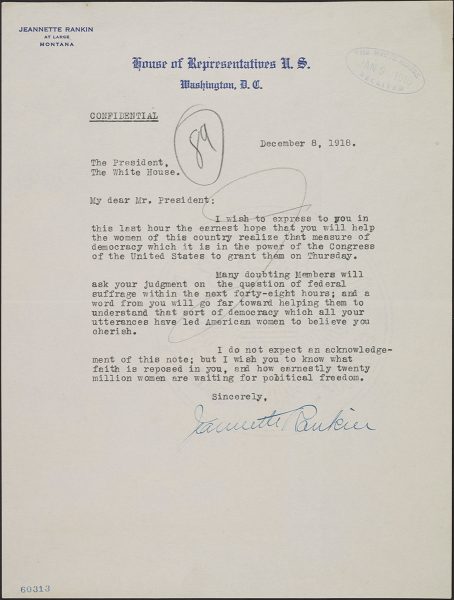
But Rankin’s defining moment came almost immediately. In 1917, Congress voted on whether the United States should enter World War I. The pressure on Rankin was enormous. Critics argued that if the first woman in Congress voted against the war, it would make women look weak or naïve in politics.
Rankin refused to compromise her beliefs.
She voted no.
The backlash was intense. Newspapers criticized her, politicians attacked her judgment, and many voters questioned whether women belonged in government at all. Yet Rankin stood firm, arguing that war was incompatible with the democratic values she believed in.
Years later, history repeated itself. After the attack on Pearl Harbor in 1941, Congress voted on entering World War II. The vote was nearly unanimous, except for one person.
Jeannette Rankin.
She became the only member of Congress to vote against entering both world wars. Her decision made her incredibly unpopular at the time, but it also cemented her reputation as one of the most principled figures in American political history. Rankin once explained that she could not vote for war because she believed violence only created more suffering.
Whether people agreed with her or not, one thing became clear: Rankin was not in politics to follow the crowd.
Original Voices & Contemporary Sourcing
Rankin’s philosophy was simple but unwavering.
“You can no more win a war than you can win an earthquake.” — Jeannette Rankin
Her voice perfectly captured the worldview that defined her career. Rankin believed violence was not a solution but instead a failure of leadership.
During her time in Congress, newspapers often portrayed her as stubborn or unrealistic, especially after her votes against war. Some critics even called her “the loneliest woman in Washington.”
Later in life, Rankin reflected on her mission by emphasizing that peace and democracy required constant effort, not just slogans.
Global Legacy & Enduring Influence
Today, Rankin’s legacy stretches far beyond her two terms in Congress. Her election helped normalize the idea that women belong in political leadership, paving the way for generations of women in government.
Her name lives on through organizations like the Jeannette Rankin Foundation, which provides scholarships to low-income women pursuing higher education. Her former home is now the Jeannette Rankin House, preserved as a historic landmark.
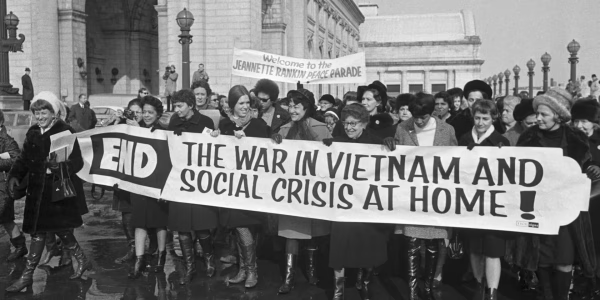
Perhaps most famously, she inspired the “Jeannette Rankin Brigade,” a massive 1968 protest in Washington, D.C. where thousands of women marched against the Vietnam War in her honor.
Rankin proved that one voice can still echo through history. And, honestly? American policy has never quite been the same since.