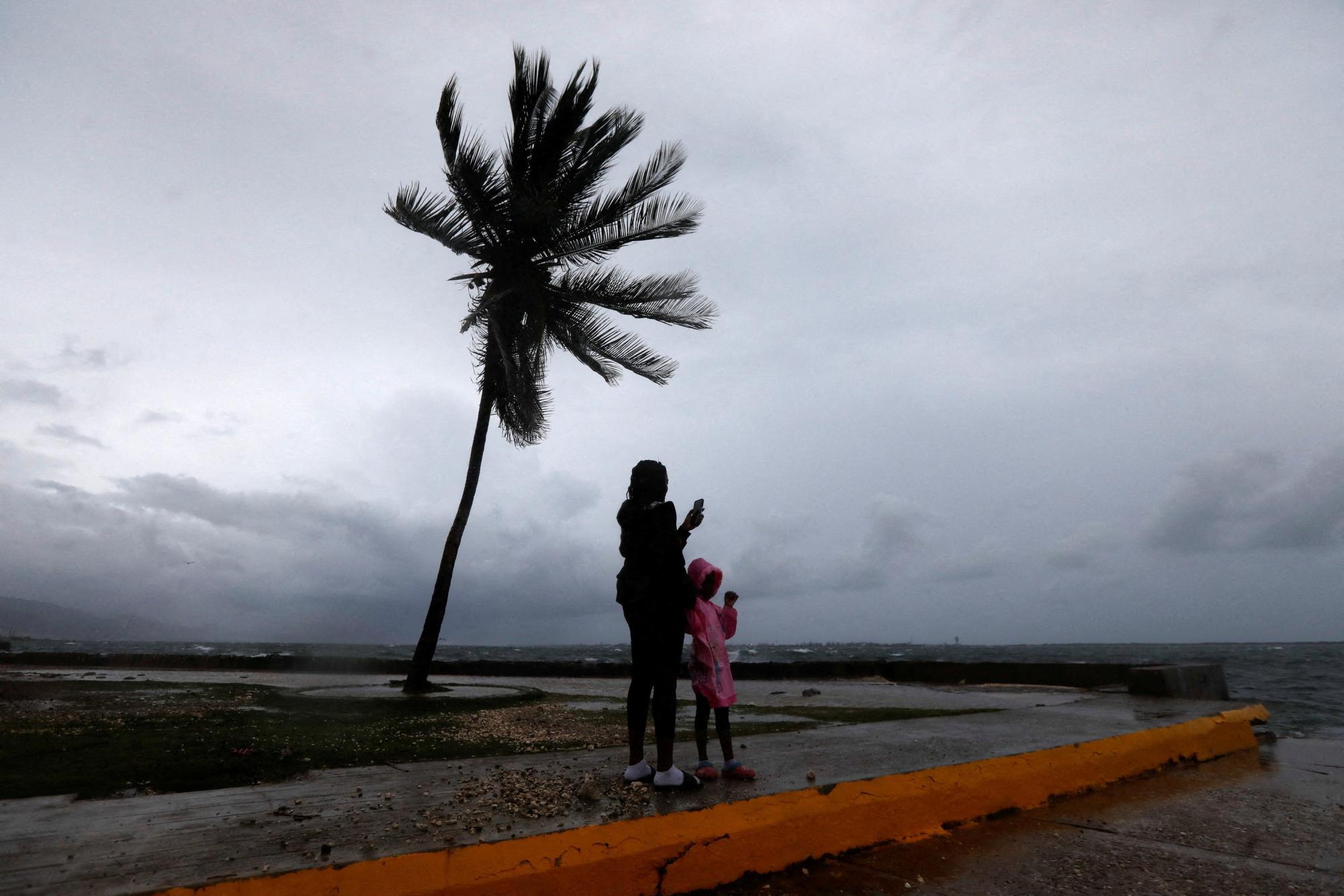
Before Hurricane Melissa, the Caribbean islands had not experienced a storm this powerful in more than 150 years. With its 185 mph winds, Melissa solidified its place as one of the most intense Atlantic hurricanes ever recorded, leaving a trail of catastrophic destruction, according to CNN World. By the time Melissa had passed, it solidified its place as one of the most intense Atlantic hurricanes ever recorded, which severely impacted the entire region.
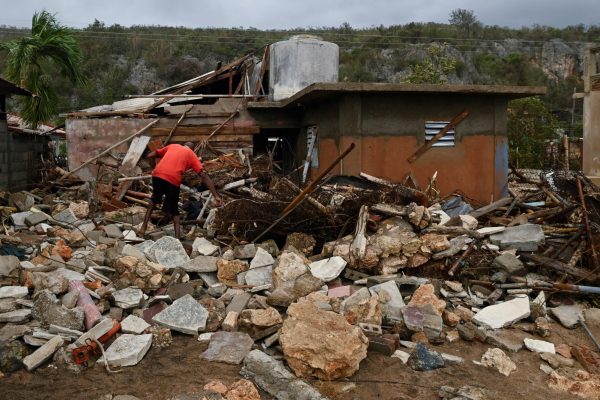
On October 28, 2025, Hurricane Melissa made landfall in Jamaica as a Category 5 storm, specifically the western and southwestern regions. In the town of Black River, Melissa left 90% of homes either without roofs or entirely destroyed. Melissa also left approximately three-quarters, or nearly 75%, of the country without any electricity, which severely complicated rescue and communication efforts More than 530,000 people lost power, and roughly 15,000 took refuge in shelters, according to Jamaica’s Minister of Local Government, Desmond McKenzie. The prime minister later declared the country a disaster area as flooding, landslides, and collapsed infrastructure made rescue efforts nearly impossible.
While Jamaica bore the initial brunt of the storm, the neighboring island of Hispaniola, shared by Haiti and the Dominican Republic, faced equally devastating consequences. Melissa’s winds caused flash floods and landslides that resulted in numerous fatalities. There have been at least 30 people confirmed dead, and 20 people missing in Haiti, according to Disaster Philanthropy. Roads and bridges were washed away, isolating entire communities and halting emergency operations, and in the Dominican Republic, at least 200 homes were completely destroyed due to the winds.
After crossing Jamaica, Melissa moved toward Cuba as a Category 4 storm, striking Santiago de Cuba with torrential rains and hurricane-force winds. The Bahamas and Puerto Rico also experienced widespread power outages and coastal flooding, while the Cayman Islands reported severe storms that destroyed homes and ports (The Guardian, AP News).
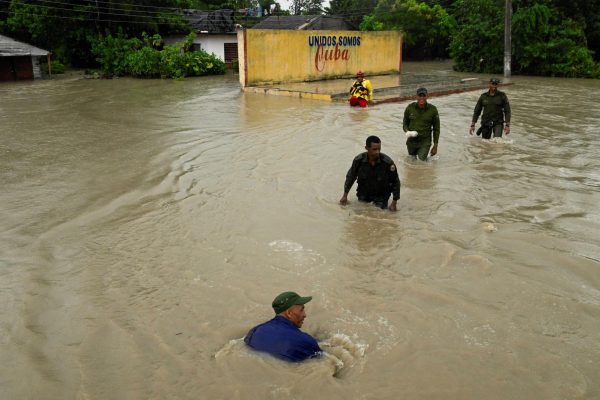
Before Melissa, many Caribbean nations were already struggling with fragile infrastructure and economic instability. The hurricane made these conditions significantly worse by destroying farmland, disrupting tourism, and displacing thousands of families. St. Elizabeth, also known as Jamaica’s “breadbasket,” suffered extensive agricultural damage that threatened food supplies across the island (The Guardian).
In the aftermath of Hurricane Melissa, questions are being raised about if climate change has affected this hurricane in some way, making it significantly worse. Joshua Wadler, an associate scientist at Embry-Riddle Aeronautical University in Daytona Beach, believes that storms will intensify as much as they possibly can if conditions are right, but he still stays unconvinced that either a single storm or season can be connected to global warming. “I still think it’s just circumstance,” he said. He believes that if there wasn’t a big trough over the United States, or if the steering flow had been slightly different, Melissa most likely could have drifted over cooler water in the western Caribbean, instead of intensifying as much. This debate highlights the complex scientific questions surrounding the potential connection between climate change and the intensity of specific hurricanes such as Melissa.