
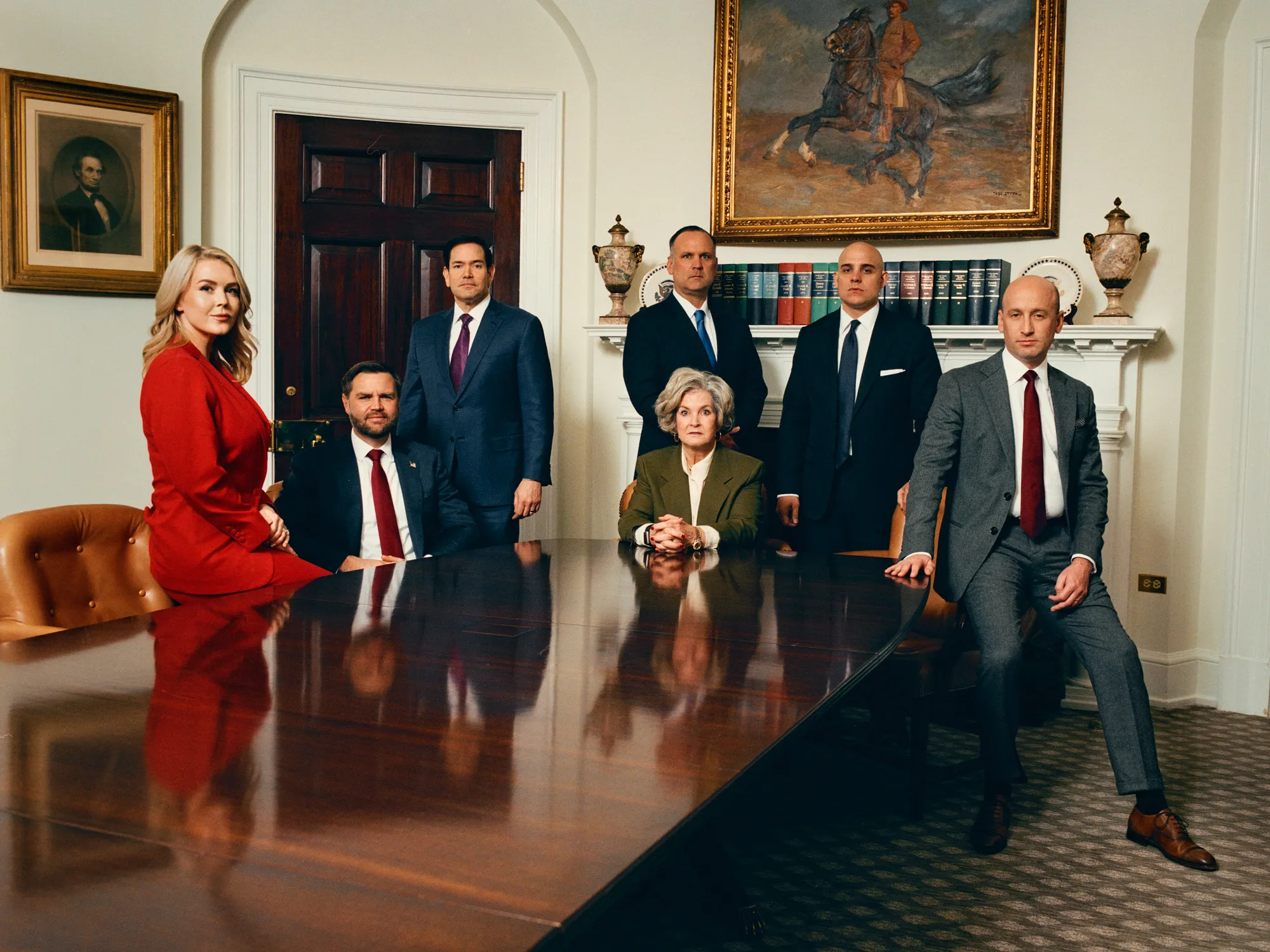
With a 59% disapproval rate, it’s clear that the current administration is unlike any other. Trump’s relationship with the press is conflicted. Only nine hours into his first term, he suspended $1.1 billion dollars from public broadcasting funds, as well as involvement in a public defamation lawsuit against The Wall Street Journal. Even his response, “Quiet, Piggy,” after being asked about the Epstein files by Bloomberg Reporter Catherine Lucy, is representative of his disdain for the press.
Many were shocked to see that Trump and his cabinet agreed to do a full photoshoot and interviews for Vanity Fair. Over the magazine’s 11 separate interviews led by reporter Chris Whipple, Chief of Staff Susie Wiles spoke blatantly about the president, describing him as having a personality similar to an “alcoholic’s.” Stephen Miller, Chief of Staff for Policy and Homeland Security Advisor, is titled “The Zealot,” and Vice President JD Vance is “The Heir Apparent.”
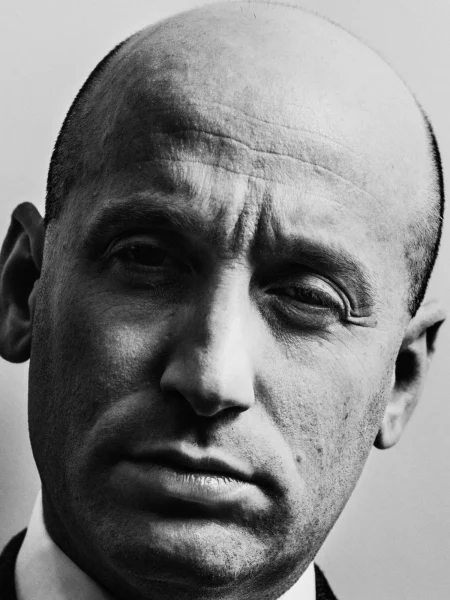
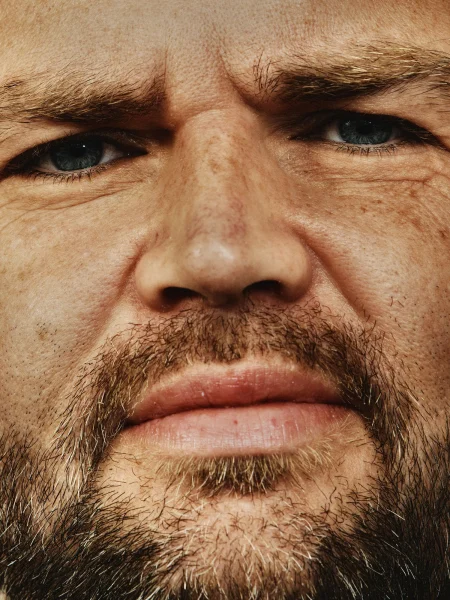
The article made an even larger impact with its unrefined, dramatic close-up photos of the President’s cabinet, including Wiles, Steven Miller (Homeland Security Advisor), Karoline Levitt (Press Secretary), and Marco Rubio (Secretary of State). The photos, taken by Christopher Anderson, were extolled by audiences for their unsparing traits. However, after Rubio slammed the photos as being “deliberately manipulated,” Anderson insisted that the portraits are nothing more than his style, not a political attack.
“Very close-up portraiture has been a fixture in a lot of my work over the years,” he told The Independent, “Particularly, political portraits that I’ve done over the years. I like the idea of penetrating the theater of politics.” But for the 55-year-old photographer, his style is consistent with close-up portraiture. Anderson, the recipient of Kodak’s Young Photographer of the Year in 1999 and nominated for the Pulitzer Prize by The New York Times Magazine in 2000, spent the day at the White House for the feature in early November. Meeting with each member in their office for their Vanity Fair portraits, he uses a simple medium format digital camera and basic lighting in order to capture them in his signature style.
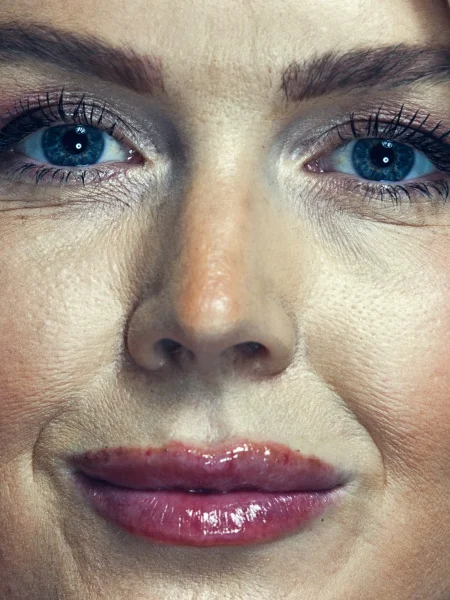
It’s clear to any viewer that these photos are, well, jarring. Notably, Karoline Levitt is described as the “Mouthpiece” by Vanity Fair. The nickname not only aligned with her role as press secretary and aggressive communication style, but her literal mouth as well. The close-up portrait focused intensely on her mouth reveals what viewers believed were fresh injection marks, generating intense discussion about her appearance and authenticity within politics. The photo can be further analyzed as an extreme and possibly unintentional example of the harmful parallel between the political party limiting the bodily autonomy of women, as well as the self-regulation of the women tasked with that agenda.
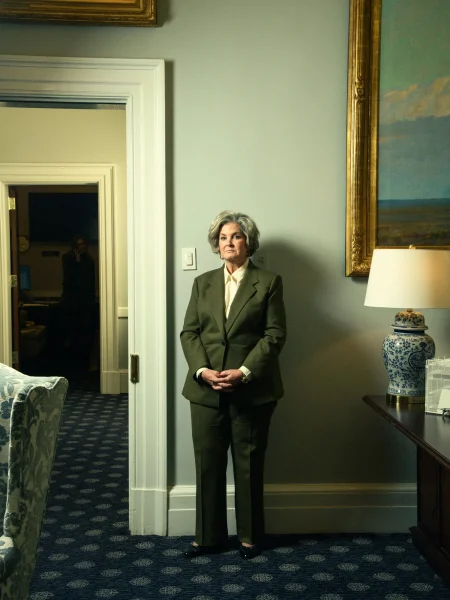
Susie Wiles’, or the “Enforcer’s,” full portrait includes much of the White House background, making her look especially small. Standing relatively tall in an olive-green suit with her fingers laced together, you can’t help but wonder why there’s so much space around her. It feels intentional, because it is. The photo singlehandedly encapsulates the state of the administration’s day-to-day: dull, quiet, and aged. The camera angle highlights the sheer isolation and depravity in room-to-room while simultaneously creating an emotionally charged and “truth-seeking” aesthetic.
In all, Anderson’s work clearly emphasizes authenticity over perfection, undermining the power and control Trump and his cabinet has over modern America. While many may simply describe the photos as ugly or off-putting, it’s increasingly important for audiences to ask, “Why?” Questioning is imperative in modern America; it encourages us to think critically, ensuring accountability and allowing us to navigate illusion within the political theater.