
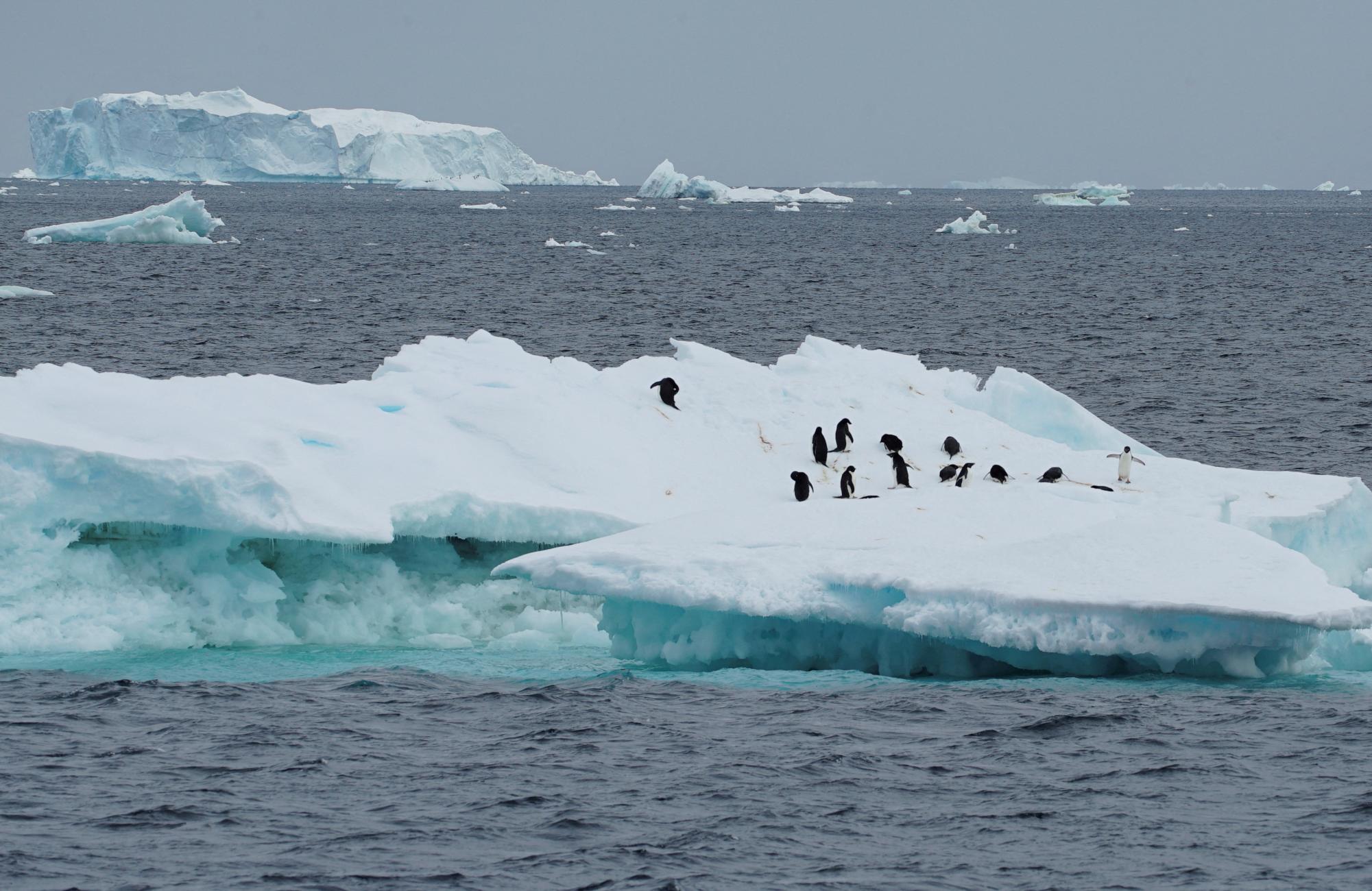
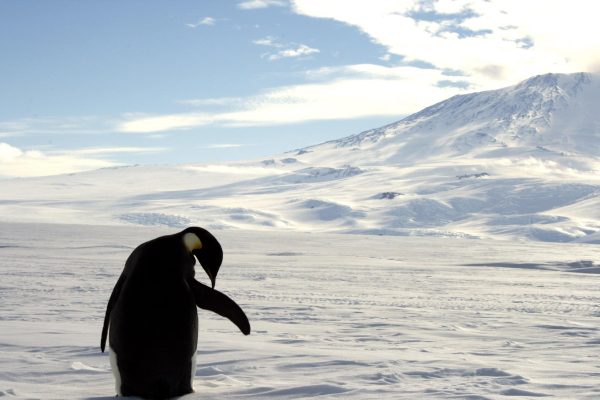
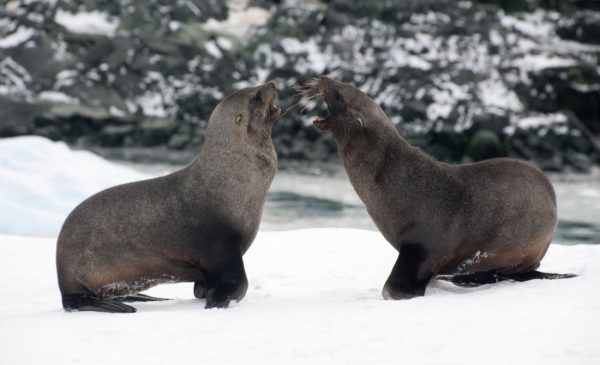
The Earth just got a very loud “we need to talk” notification, and at this point it’s impossible to ignore. The Emperor penguin and Antarctic fur seal are being moved onto the endangered list, and that shift says a lot about how fast their environment is changing. The main issue is melting Arctic sea ice. That ice isn’t just serenity, it’s a physical platform that entire ecosystems rely on to function.
Being placed on the endangered species list through systems like the IUCN Red List of Threatened Species or the US Endangered Species Act means a species has reached a point where survival is no longer guaranteed. It brings legal protections, limits on harmful human activity, and targeted conservation efforts. Still, the label comes late in the process. By the time a species is officially endangered, the damage has already been building for years. It’s less of a celebration and more of a last serious attempt to stabilize what is left.
Looking beyond science, this issue connects directly to politics. Antarctica isn’t owned or controlled by a single nation, and the environmental changes happening there are driven by worldwide patterns, especially climate change. International agreements and cooperation play a role in protecting these regions, but progress tends to be slow, and the penguins and seals can’t wait. Rising temperatures, shifting ocean patterns, and melting ice all come from collective human impact; not one specific place or policy, but together, the countries that collectively own the Arctic need to step up to protect these species.
Emperor penguins depend on stable sea ice as their entire life support system: they breed, raise their chicks, and survive on platforms that are slowly disappearing. So when their numbers drop, it’s not just a sad wildlife fact, it is the environment waving a red flag that something is seriously off. Seals play their own role too, sitting higher up in the food chain and helping keep populations of fish and krill in balance—which sounds small until you realize krill are the foundation of the entire ocean food web. If that base starts shaking, everything above feels it: penguins, seals, whales, even fisheries that humans rely on thousands of miles away. So yeah, it is not really about “saving cute animals,” it is about keeping an entire system from quietly unraveling in a way we won’t notice until it already affects a lot more than Antarctica.
The bigger concern is what these changes signal for the future. When multiple species, like penguins, seals, bees, and butterflies all begin facing similar threats, it points to a larger environmental pattern rather than isolated cases. Ocean ecosystems influence fisheries and global food chains. These shifts extend far beyond one region or one species.
And that’s the real takeaway. In danger doesn’t mean gone, but it does mean time is limited. There’s still a window to act, but it’s shrinking. What happens next depends on whether those warnings lead to meaningful action or get added to a growing list of problems we noticed too late.