










After a whole year of anticipation, countless marketing and brand deals, and the gravity-defying promise of its first part, Wicked: For Good finally brings us to the end of the Yellow Brick Road. The pressure on this film to deliver a truly wonderful conclusion to Elphaba and Glinda’s journey was absolutely thrillifying.
For over two decades, the story of the unlikely friendship between the “hideoteous” green girl, Elphaba, and the luminous, ambitious Glinda, has captivated audiences and defined a generation of Broadway fans. While the first cinematic installment, Wicked, gave us the spectacle, this sequel proves to be a rare cinematic achievement: transforming the source material from a fairytale origin story into a profoundly dark and emotionally complex political allegory, securing its place as the superior half of the adaptation. The pressure on this film to deliver a truly wonderful conclusion was absolutely electrifying, and it delivers by fully embracing the painful weight inherent in the phrase “For Good.”
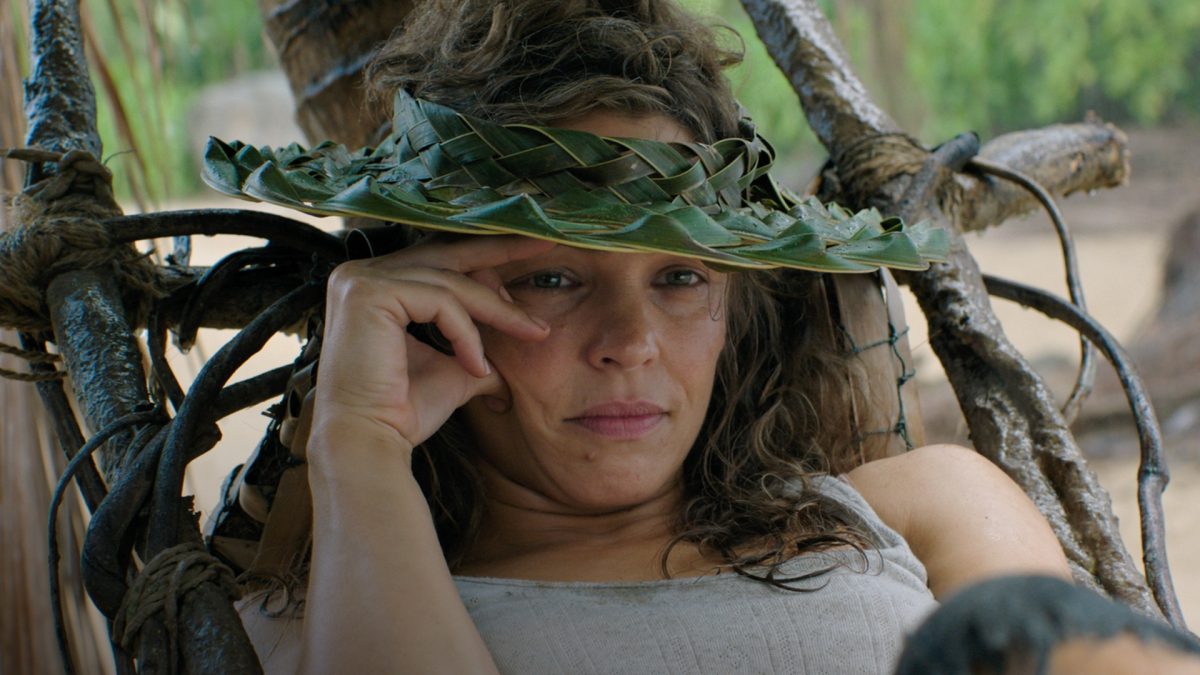
The success of Wicked: For Good lies in its commitment to a darker, politically complex narrative that elevates the stakes beyond personal rivalries. As Elphaba’s journey continues, Cynthia Erivo, the internet’s favorite concept understanding queen, anchors the film with yet another Oscar-worthy performance. Her powerhouse vocality brings audiences to tears, particularly during a heartbreaking, desperate rendition of “No Good Deed,” where her voice cracks with genuine agony before hardening into resolve. More importantly, For Good successfully executes the sequel’s shift in focus: it details how The Wizard’s totalitarian regime weaponizes media and propaganda to consolidate power, branding the increasingly volatile Elphaba as the “Wicked Witch.”
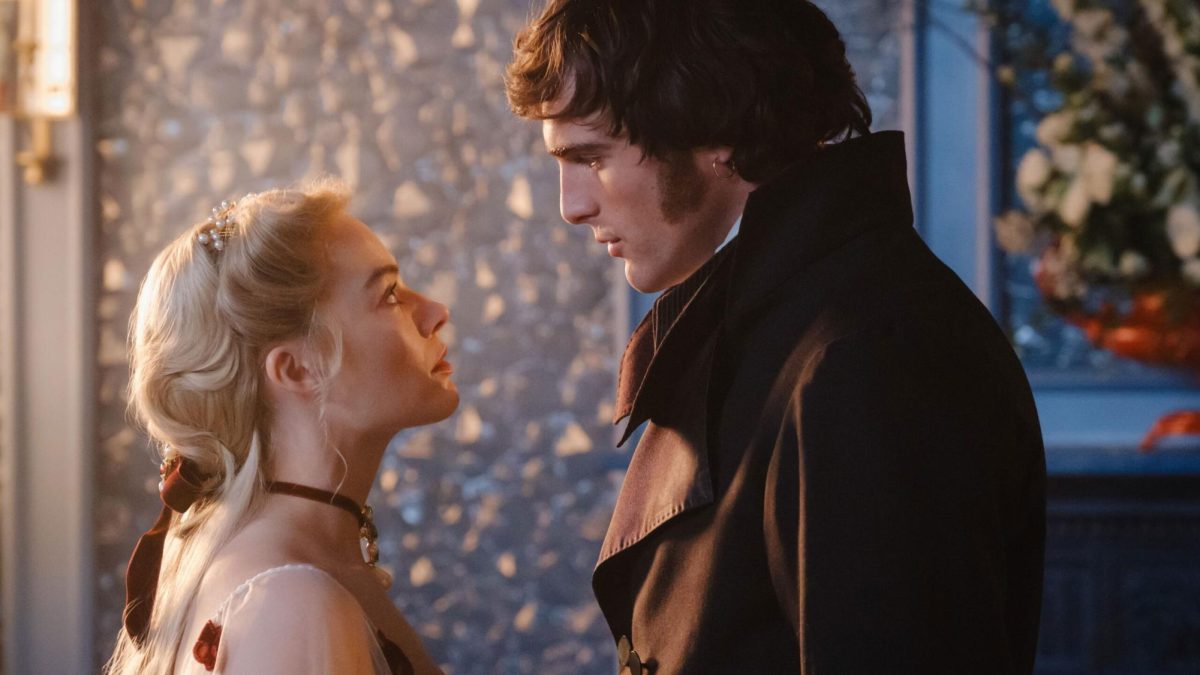
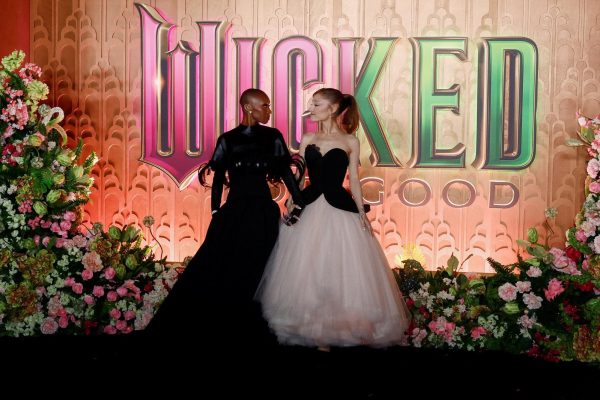
Ariana Grande-Butera as Glinda, played by the beloved pop-sensation, fully comes into her own in Wicked: For Good. While the first film centered on Elphaba’s origin story, the sequel heavily focuses on Glinda’s complex emotional arc as she attempts to navigate her new, public role as “Glinda the Good.” The conflict isn’t just about friendship; it’s about Glinda realizing her own complicity in the political machine when she agrees to publicly denounce Elphaba to save her own standing, a choice that is visible in the pained rigidity of Grande-Butera’s smiles as she addresses the Ozian public.
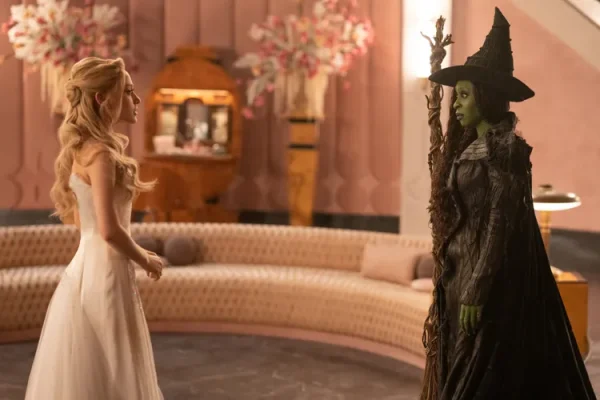
Credit : Giles Keyte/Universal Pictures
Johnathan Bailey and Ethan Slater both delivered standout supporting performances, as their characters, Fiyero and Boq, finally stepped into the spotlight. Bailey’s portrayal as Fiyero is full of unexpected dramatic weight that transforms his character from a charming love interest into a man of conviction willing to sacrifice his privilege. Slater delivered a phenomenal and emotionally intense performance as Boq, whose tragic devotion to Glinda and subsequent transformation into the Tin Man serves as a devastating, pivotal moment, providing a tangible, body-horror-tinged consequence to Glinda’s vanity and driving much of the sequel’s darker narrative.
The veteran cast provides the gravitas needed for the political drama. Michelle Yeoh’s portrayal of Madam Morrible brings a regal and sinister edge to the scheming headmistress, acting as the Ozian press secretary who works with The Wizard to shape Elphaba’s evil image. Jeff Goldblum, as The Wizard, is a perfectly cast, sinister con-man. His performance is praised for how his signature Goldblum “isms”—like the hesitant stammer and the theatrical, almost giddy hand gestures— brilliantly mask a chilling, deceptive political figure. This charming manipulation is most effective during the musical number “Wonderful,” which highlights his ability to con the masses while carrying out darker deeds, ultimately proving him an effective and memorable villain.
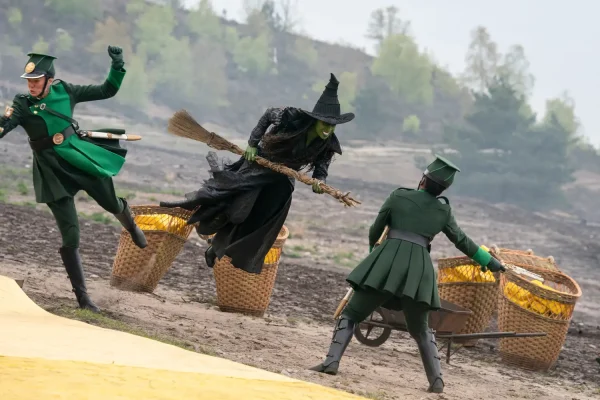
Wicked: For Good is triumph that successfully lands the emotional and dramatic intensity built up in the first film. Bolstered by the career-defining performances of Cynthia Erivo and Ariana Grande-Butera, the sequel fully embraces its darker, politically complex themes, making the friendship between Elphaba and Glinda all the more heartbreaking and meaningful. With Johnathan Bailey, Ethan Slater, and the veteran gravitas of Michelle Yeoh and Jeff Goldblum rounding out a spectacular ensemble, director John M. Chu has delivered a rare cinematic achievement: a second act that is arguably more powerful than the first. The film provides an emotionally satisfying conclusion that not only honors the source material but elevates it, securing its place as a spectacular and unforgettable cinematic event that truly earns the tears shed during its namesake, “For Good.”