
































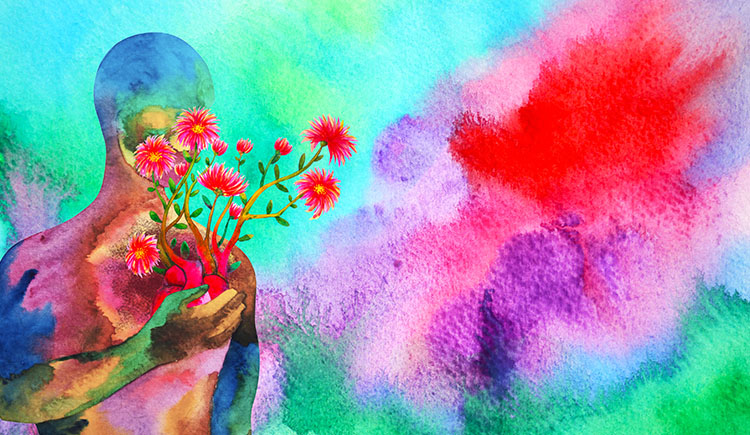
Falling in love encourages people to open up by creating a sense of emotional safety. When someone feels emotionally secure and comfortable, the brain’s reward system is activated, releasing dopamine and prompting feelings of trust and positivity. As these positive emotions grow, emotional defenses begin to lower allowing connection to feel less threatening and more natural.

As emotional defenses soften, the body often reflects this shift before the mind fully catches up. One of the earliest signs is the change in body language shifting from “closed off” to more open physical cues. You may allow your partner to move closer during conversation or feel more at ease in their presence. Physical tension decreases as areas like the jaw, shoulders, or hands relax. Eye contact becomes softer and more consistent signaling a willingness to connect. Nervous behaviors such as fidgeting or self-soothing habits also begin to lessen. Even smiles or forced expressions are replaced by genuine ones that reflect comfort and emotional safety.
With lowered defenses, shared vulnerability becomes possible. Opening up allows individuals to show their true selves and feel accepted rather than afraid. As openness develops, self discovery deepens alongside emotional connection. This process helps people move past initial fears and express their authentic selves more freely. Over time, partners begin to recognize each other’s flaws and accept them, strengthening intimacy. Love involves taking emotional risks and allowing someone to see imperfections and choosing connection despite them. Through openness, deeper relationships are formed. 
Despite this, showing our flaws can feel especially frightening. The fear of revealing imperfections often stems from deep seated concerns about abandonment, judgment, and vulnerability. Past experiences like neglectful caregiving, betrayals or painful breakups can create a fear of being abandoned which leads to self judgment and a habit of hiding parts of ourselves. To protect against criticism or rejection, many people put on a “mask”. While this can feel safer in the moment, it eventually prevents true intimacy and creates emotional distance.
Vulnerability is the key to overcoming this fear. Showing flaws requires courage and trust that your partner will not use those vulnerabilities as reasons to judge or abandon but instead respond with understanding and acceptance. When vulnerability is met with care, it builds emotional security and allows relationships to deepen.

Immediately after sharing something deeply personal, many people experience a mix of relief and intense anxiety. This reaction is called a “Vulnerability Hangover” that’s characterized by regret, shame, fear of judgment, or a feeling of exposure that makes someone feel raw or unsafe after taking an emotional risk. These reactions are often rooted in past experiences where openness was met with negative responses teaching individuals that vulnerability leads to harm. As a result, the nervous system may go into survival mode attempting to protect against perceived threats like rejection or invalidation.
Learning how to cope with these feelings is an important part of emotional growth. Acknowledging your emotions without judgment helps prevent self criticism from taking over. Engaging in self-soothing activities like journaling or gentle exercise can help regulate the body and mind. It’s also helpful to remind yourself that vulnerability is a strength and that discomfort signals growth rather than failure. Sharing these feelings with a trusted friend or therapist can provide reassurance and perspective. Viewing the experience as an opportunity to learn about personal triggers encourages self-compassion and resilience.

With Valentine’s Day coming up, it’s a good reminder to know that love isn’t just about chocolates, expensive gifts, or perfect moments. It’s about opening up, embracing imperfections, and letting someone see the real you even when it feels scary. Don’t let people or the internet shape unrealistic ideas of what “true love” should look like. Online spaces often prioritize public displays and curate perfection over genuine, private moments that build deeper relationships. This Valentine’s Day, choose presence over performance. A gentle hand squeeze, honest connection, and emotional openness often matter far more than anything perfectly planned.