































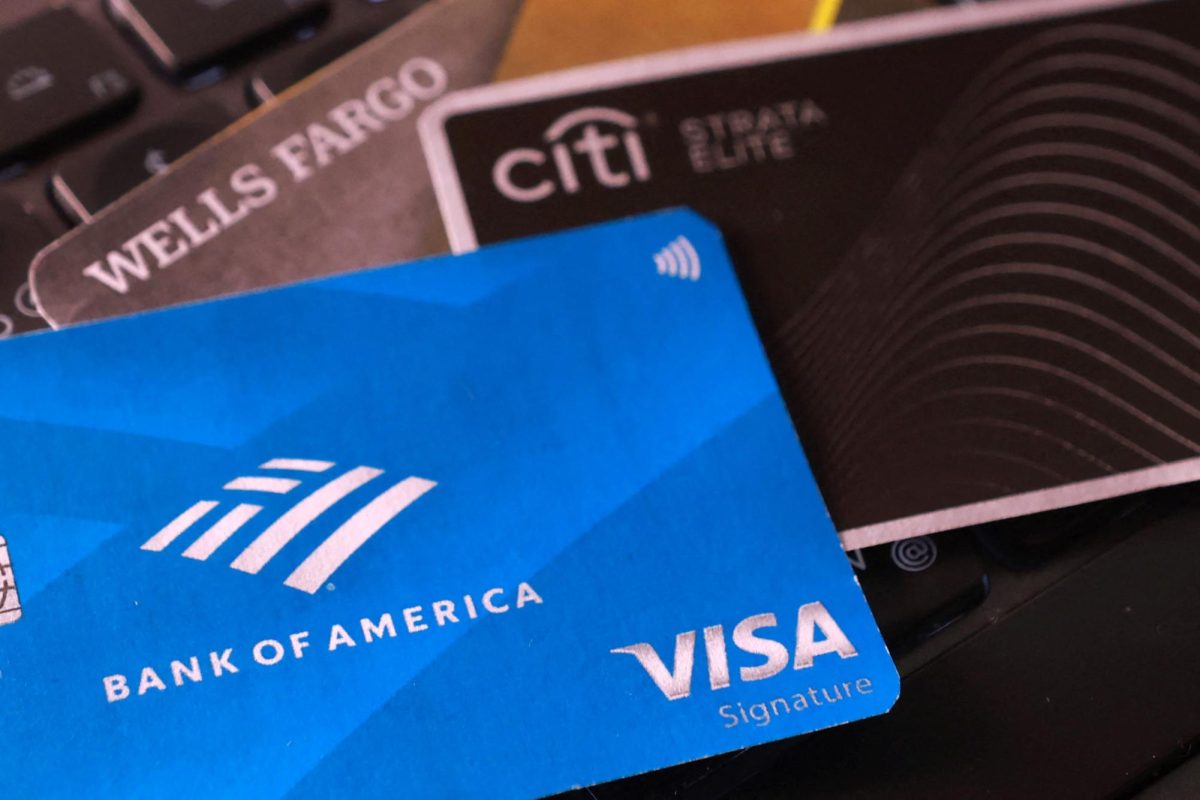
Turning 18 comes with a list of new freedoms, but one of the most misunderstood is the ability to open a credit card. When teenagers turn 18, every swipe, every late payment, and every balance belongs to them, not their parents, and the consequences could follow them for years.
Why Credit Cards Matter When Teens Turn 18
Once a teen becomes a legal adult, they can open a credit card in their own name. That means:
-The account is tied to their Social Security number
-The payment history becomes their credit history
-Any mistakes become their responsibility
This matters because 90% of lenders use credit scores to make decisions, and those decisions start affecting teens immediately.
A single late payment can drop a young person’s credit score by up to 100 points according to major credit agencies. Even worse, 35% of a credit score is based on payment history alone.
How One Mistake at 18 Can Hurt Them at 25
A late payment stays on a credit report for seven years.
That affects:
-Car loan interest rates
-Apartment applications
-Insurance premiums
-Job background checks
-Future credit card approvals
To put this in perspective, someone with excellent credit might get a car loan at around 5%, while someone with poor credit could be charged 15% or more. Over a typical loan, that difference can cost thousands of dollars. A $200 mistake at 18 can turn into a $2,000 problem at 25.
Why Teens Are Especially Vulnerable
Credit card companies know that new adults are inexperienced.
They offer:
-Low initial limits
-“Student cards” with flashy marketing
-Rewards that sound much better than they are
And teens fall for it. A survey of 2,000 U.S. adults from Investment News illustrated that three out of five adults believe their insufficient grasp of credit and personal finance has led them to make financial mistakes.
Nearly 7 in 10 Americans admit they don’t fully understand how credit card interest works, and 37% of credit card holders have maxed out their credit cards or come close. Without financial literacy, teens treat credit cards like debit cards until the bill arrives.
What Teens Actually Need to Know
If they choose to open a card at 18, they should understand:
-Pay the full balance every month
-Try not to spend more than 30% of the limit
-Set up automatic payments
-Check statements for errors
-Treat credit as a tool, not free money
These habits build a strong credit score, something that will help them for the rest of their lives.
The Bottom Line
Credit cards aren’t dangerous. Misunderstanding them is. Teens don’t need to avoid credit, they need to respect it. When they understand how credit works, they gain a financial advantage most young adults never get.