






As costumes are packed away and the fake cobwebs come down, it’s worth asking why Halloween feels less magical and more like another opportunity for content. The holiday used to feel like pure chaos, running around in tacky costumes, comparing candy hauls, and laughing at the kids who tripped over their capes. Though, the last few years have felt quieter. When I asked my friends why, most of them said the same thing: “It’s just not the same anymore.” Maybe everyone’s focused on posting the perfect costume or chasing the newest trend instead of just enjoying the night. Whatever it is, Halloween seems to have traded a bit of its magic for likes and brand deals. The hollowing of Halloween is definitely not a recent occurrence. Between the gradual impact TikTok has had on American culture and post-COVID precautions, the holiday has been slowly reshaped into something more performative than celebratory or communal.
On platforms like TikTok, or even Instagram, Halloween never really ends–it’s amplified, packaged, and celebrated earlier than ever. The concept of “Boo Baskets” in particular commodifies Halloween before the pumpkins even ripen. Yes, it has gone viral as a cute tradition for your loved ones, but it also raises an uncomfortable question: when did Halloween become another holiday of buying, packing, and purchasing for others? What looks cute and charming in a social media frame, at its root, is a cycle of needless consumerism and endless novelty.
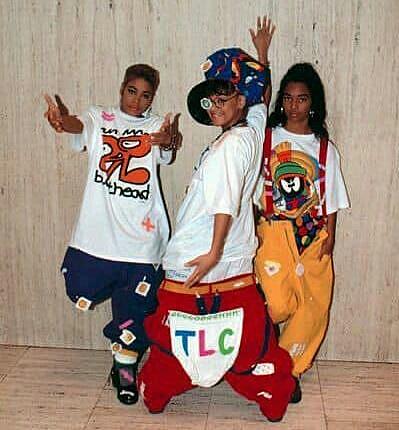
The culture of amplification has reformed costumes, too. Dressing up was commonly about imagination, repurposed bedsheets and poorly drawn eyeliner whiskers. Now, costumes are measured in authenticity and aesthetics. It’s not enough to be a fairy; you have to be the trending fairy with the makeup palette seen on a viral video. Even the models on the front of makeup kits are AI-generated: symmetrical, polished, unreal. Your costume is no longer a playful disguise; it’s a brand statement, optimized for likes and engagement.
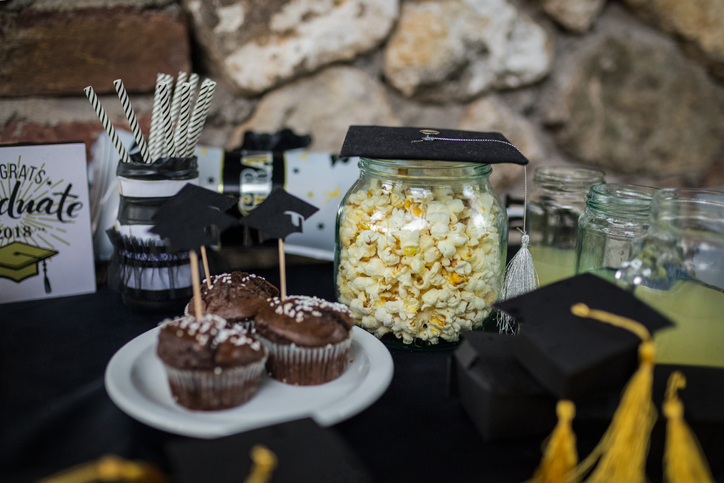
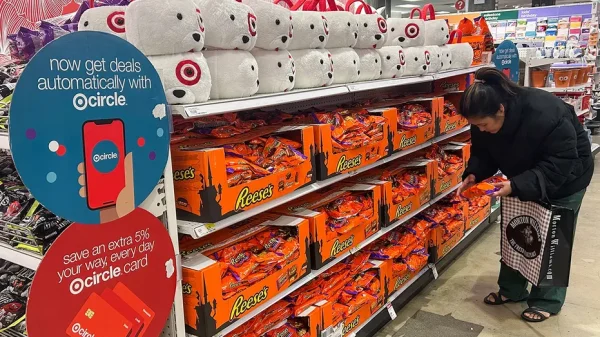
Meanwhile, Halloween consumer habits are continuously climbing! This year, Americans are predicted to spend around 13.1 billion dollars on retail products for the holiday. An average-sized bag of candy is 35 dollars, and tariffs have pushed prices up by 9-13%. Strangely, fewer kids each year are trick-or-treating. With fewer children out, there’s less incentive to buy candy–yet advertisers push harder, urging us to decorate bigger, buy earlier, and participate louder. Environmental impacts also stretch far beyond a single night: increased textile waste, mass shipping emissions, and synthetic fabrics that never biodegrade.They’re parts of a larger system that turns celebration into consumption, and consumption into climate strain. West African countries responsible for producing major raw materials that end up in manufacturing cycles, are among the places most affected by rising temperatures and resource strain. The irony is stark: the holiday of excess is, in part, powered by regions bearing the brunt of global climate consequences.
What’s being lost in our cultural shift isn’t the holiday itself but the precedence of community. Halloween used to be one of the few nights in the year you could knock on a stranger’s door, and simply not be a stranger. You didn’t need to perform; you just needed to show up. Now, performance precedes participation. We prepare to be seen, curated to market ourselves for a holiday meant for fun. Though nostalgia still lingers, showing up in trends built on reminiscing and people remembering pillowcases full of candy. It shows up as quiet recognition that something meaningful, something small and ordinary, has been replaced.
Maybe the way to revive Halloween isn’t to resist change, but to remember the joy and excitement that once vitalized it: the thrill of the doorbell, the costume, the shared night air and fleeting magic that requires nothing to be purchased at all.