
















In 2019, my sister tried to explain her moss-colored latte, distilling matcha into a single sentence. “It’s like coffee,” she said, “but matcha.” Her explanation both revealed nothing and said everything; the allure of matcha lay not in its literal definition, but in the experience, the ritual, and the attention we pay to it. Today, it is difficult to imagine anyone unfamiliar with matcha. It has moved beyond a powdered tea to become a medium through which we express taste, identity, and even cultural capital.
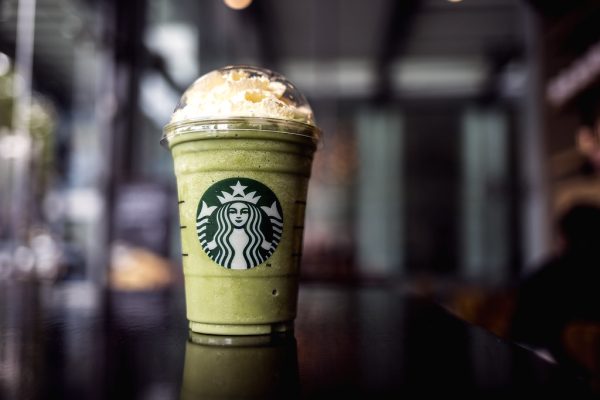
The story of matcha in the United States is one of gradual ubiquity. Starbucks introduced a “Green Tea Frappuccino” in 2005, clarifying to customers that it was made of ground green tea leaves. But the past two decades have transformed matcha from a seasonal curiosity into a lifestyle marker. Chains like MatchaBar and Cha Cha Matcha have elevated matcha from beverage to “vibe.” The appeal is not only taste; it is spectacle, color, and the promise of belonging to a scene defined by aesthetics. Waiting in line for a matcha mango morning bun is a performance of taste as much as it is a consumption of flavor.

This performance extends beyond beverages. Matcha has become a soft serve flavor, not to be confused with d’Annam’s fragrance Matcha Soft Serve. Infiltrating the perfume aisle is a shift that signals its cultural omnipresence. Maison Margiela, Le Labo, and Obvious Parfums have embraced matcha scents, often emphasizing vegetal or photorealistic green tea profiles. Matcha perfume has even filtered down to Zara’s fast fashion floor with their Matcha Mochi, a diffusion of luxury that recalls Miranda Priestly’s “cerulean sweater” monologue about how high fashion inevitably trickles down to clearance racks. The same ingredient that once signified a refined Japanese tea ceremony now defines an entire lifestyle, a cultivated set of associations, and a network of attention. As with the ritual of preparing or consuming matcha, these scents ask for engagement: notice the green, the grassiness, and align yourself with a cultural code.
The cultural spread of matcha highlights a larger truth about the objects we consume: significance is not inherent, but relational. Matcha succeeds because we invest attention in it. We line it up, photograph it, scent ourselves with it, and follow its trends on social media. Like any trend that achieves ubiquity, matcha teaches us that significance is inseparable from engagement. Its appeal is both communal and performative, rooted in shared recognition and the pleasure of being in the know. What was once obscure becomes a medium through which we signal taste, aspiration, awareness. Matcha’s grasp on our collective attention reflects our desire for identity.
Even Starbucks, the megaphone of American beverage culture, has had to keep pace with our shifting palate. In January, the chain quietly swapped its matcha base from a sugar-heavy blend to pure matcha powder. Some fans celebrated the cleaner, grassier flavor; others mourned the loss of what they loved most: the sugar. Still, those loyal to the original Starbucks matcha latte can easily reclaim it with added sweetener. But maybe that’s the point. Matcha, like taste itself, blends to our habits, absorbs our aesthetics, and comes back to us as both commodity and comfort. What begins as ritual becomes reflection; what we consume, we become.