































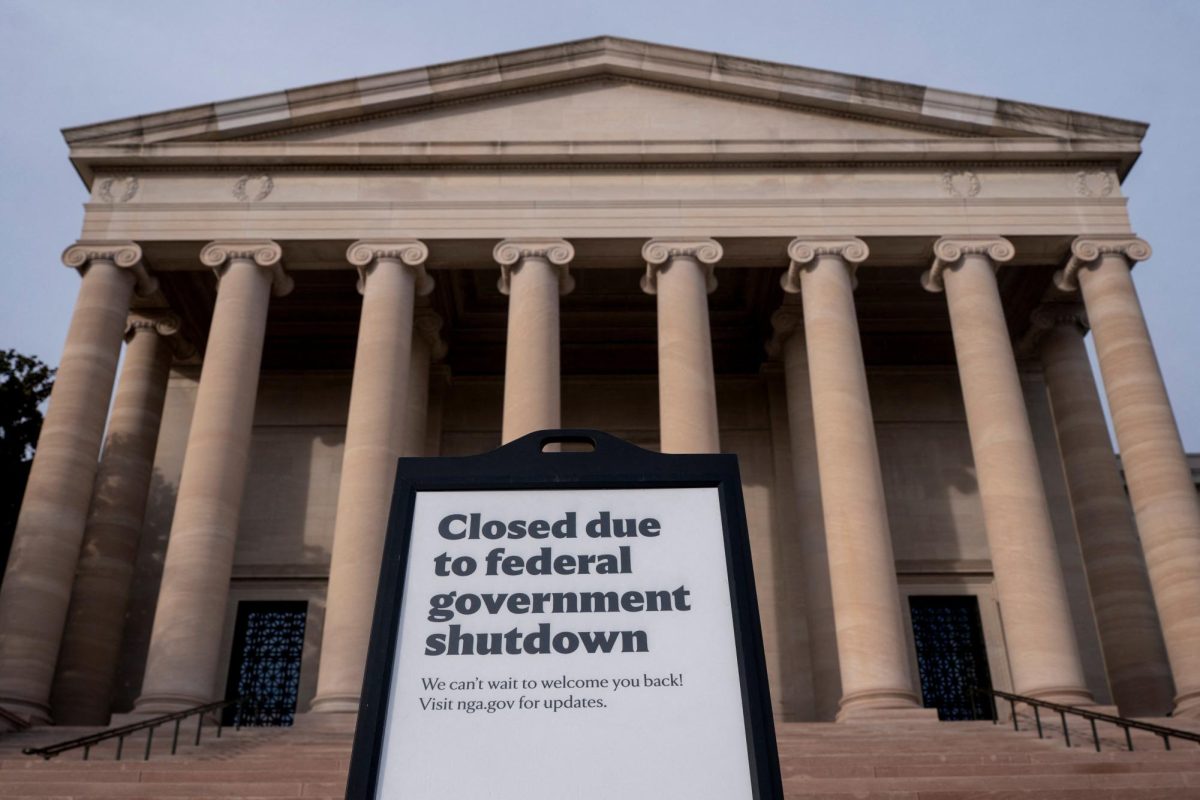
The nation experienced the longest shutdown in U.S. history between October 1st and November 12th. The reason for the shutdown was that the government had failed to agree on a spending budget. This extended shutdown is estimated to have cost the country between $7–$14 billion, hurting the country’s economy. After 43 days, a budget bill that ended the shutdown passed in Congress with a 222 to 209 vote.
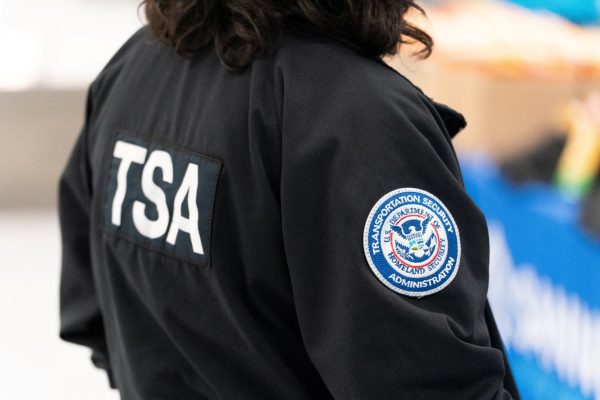
During the time of the shutdown, more than 2 million federal workers were unable to get paid, resulting in many layoffs. Thousands of air traffic control and TSA workers were expected to work without pay. The FAA (Federal Aviation Administration) said there was a diminution of employees coming in, creating delays in air travel and airport security. Furthermore, loans and permits were delayed during this time, having a negative impact on small businesses. The KPRC Houston news station interviewed Min Lee, a woman who dreamed of opening her own frozen yogurt shop but was prevented from getting a loan and paying contractors during the shutdown. She described her feelings as: “Yes, frustrating, stressful, you know, ’cause you don’t know when it’s going to open up. It could be like, you know, it could be like 3, 4, 6 months.” Many others felt dismay.
Additionally, millions of American families struggled to get food stamp benefits—significantly affecting the nutrition of American families. Many families were very anxious about how they were going to pay off their heating bill since they were also worried about paying for food and water. Many rely on LIHEAP (Low Income Home Energy Assistance Program), but sadly they announced their delay due to the shutdown, and this could lead to many hard decisions for people.
This is not the first time that such an incident has happened: from December 22, 2018 through January 25, 2019, the federal government experienced the second-longest shutdown, which lasted 35 days during the first term of President Trump. This shutdown disrupted about 10% of government spending.

More recently, Congress and President Trump passed bills that fund the government until January 30th, 2026. However, because Congress hasn’t finished its funding, there’s still a chance of another shutdown happening—one that could occur as early as next year.
Here’s how you can make a difference
Helping many families during a shutdown can have a real impact. Food and water donations continue to support many who are facing service delays, while hygiene items like toothpaste, soap, and shampoo are still very essential. Many schools have organized classroom donations, and participating in these reflects growing awareness of how we can respond to these governmental disruptions.