


































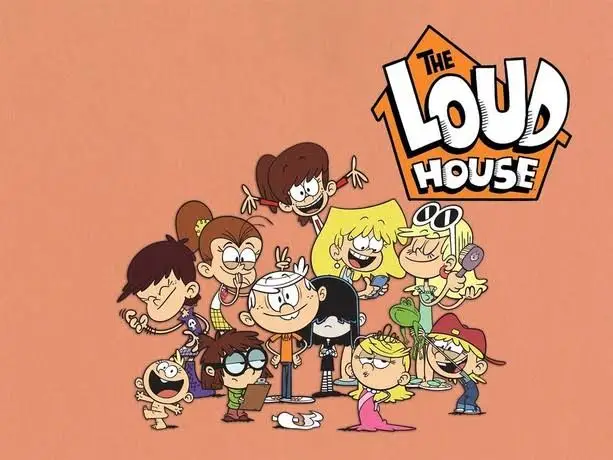
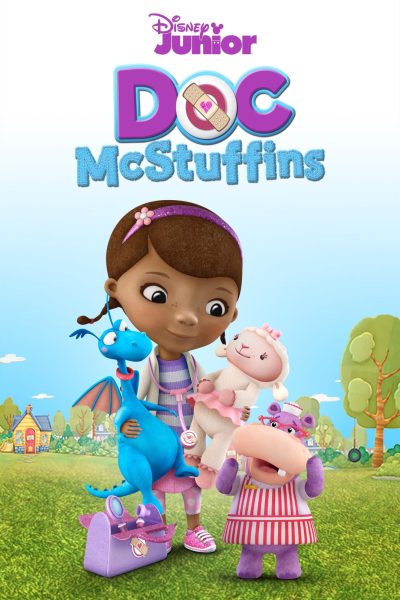
I remember it like it was yesterday, the universal experience of sprinting down the stairs (early on a Saturday morning), leaping onto the couch, snatching up the remote, and turning the TV to Disney Channel, Nickelodeon, or PBS Kids. My eyes stayed glued to the TV, as I hummed along to the Doc McStuffins theme song, and munched on my bowl of Reese’s Puffs. Starting at the young age of three, we (yes we) found the foundation of our childhood, and inspiration of our fondest memories… cartoons. Whether you watched SpongeBob, Looney Tunes, Sofia the First, Mickey Mouse Club House, Phineas and Ferb, Doc McStuffins (my personal favorite), or any of the millions of cartoons out there, these characters formed a lasting connection with us. This is because cartoons are more than just simple animations people watch for entertainment, or to pass time. Cartoons go deeper than we realise.
This love for animations most commonly starts during early childhood, but why? What makes cartoons so intriguing? Let’s start with their visuals. Almost all cartoons are so engaging because of their colorful and vibrant appearance. The variety of imaginative characters flashing across the screen is enough to catch anyone’s attention, especially those of a curious, and fairly new to the world little kid. It’s not just looks that contribute to our strong connection to these kids’ shows though. Cartoons are exceptionally influential to children, mainly because kids are still learning how to navigate life, and cartoons provide life lessons and learning experiences for them. According to Dream Farm Studios, “Younger children learn new sounds, shapes, languages, and colors with the help of cartoons.” Whether you learned Spanish from Dora, shapes from Mickey Mouse, or new words from Super Why, it was the work of these animated films that assisted your learning. Cartoons are a fun and engaging way to learn, sparking the imagination and creativity of little ones, and contributing to people’s relationship with them. Although education and fun appearance play huge roles in our bond to animations, one of the greatest factors is their emotional appeal. The Prayan Website describes the psychological bond by stating, “It taps into the fundamental psychological needs of young minds, offering a safe space to explore complex emotions and scenarios.” Cartoons uncover a range of feelings for kids to explore including basic ones such as happiness, sadness, and anger, or more complex ones like confusion, jealousy, hope and more. Prayon adds, “Simplified visuals and clear narratives help children process information and understand the world around them.” With cartoons becoming relative to our world, we tend to form a growing empathy for the characters, triggering our own emotions when we watch shows. Crying when Mufasa died in ‘The Lion King’, or laughing whenever Tom the cat gets tricked by Jerry in ‘Tom and Jerry,’ are both signs of our connectivity with cartoons, displaying our closeness to the animations whether we realize it or not.
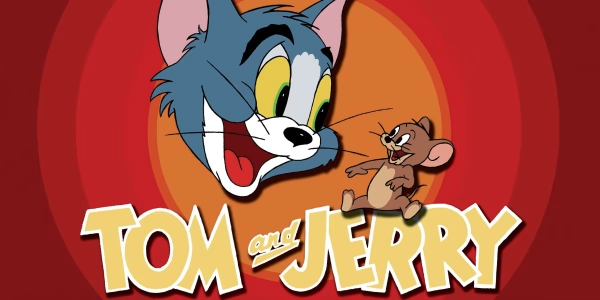
If you didn’t get to experience the joy of cartoons during your childhood, you can still find that same happiness as you grow older, because these funny animations attract all age groups, from developing teenagers, all the way to full grown adults. Above all other contributors, is the nostalgic factor cartoons trigger. Just hearing the first couple of notes of a theme song, seeing a clip on social media, or even hearing the mention of a character’s name from one of my favorite childhood cartoons, is enough to put a longing smile on my face. When watching cartoons, cherished memories, the simplicity of childhood, and a sense of connection to our past selves all come flooding back to us. “When the mind relives the memories and positive emotions from the past, the person re-experiences the joy they once felt, empowering them.” according to Graphic. This nostalgic and safe feeling is something people tend to yearn for as they grow older, which makes cartoons the perfect solution, keeping people intrigued, even as they grow up. Aging and maturing comes with more responsibility and stress, so cartoons are also the go-to form of escapism. The optimistic themes and humor carried out in these shows can be therapeutic, solely bringing pure joy and laughter. Mayo Clinic explains, “Laughter can help lessen your stress, depression and anxiety and may make you feel happier.” Despite the childish visuals and simple themes, cartoons are equally beneficial for all age groups, causing us to form lasting bonds with these illustrated series.
From the most amateur of kids to the grumpiest of elders, we all have a soft spot for cartoons. These are the illustrations that we depended on to teach us the very basics of life, and also the ones we found comfort in when things got too complicated. These are the animations that made us laugh so hard our stomach hurt, but also cry so much that our eyes turned red. These are the shows we watched to better understand our world, but also the ones we sought out to escape. These are the cartoons that formed connections with us from the very beginning, and will stay with us until the very end.