




































The cost of attending college in the United States has increased significantly over the past several years, and student loan debt has risen as well. Since 2006, national student loan debt has grown significantly, reaching $1.8 trillion by 2024. Today, over 42 million Americans hold student loan debt, which just shows how common borrowing has become for students who want to earn a college degree. Student loan debt has become a major issue for people pursuing higher education in the United States.
College is extremely expensive, and one major reason for this is behind the scenes at public universities. State and federal governments no longer provide as much funding to colleges as they did before. As government funding has declined, colleges have had to find other ways to cover their costs. One of the main ways they do this is by raising tuition, which is the amount of money students pay to attend college. Tuition has become a primary source of income for many colleges. At the same time, schools have increased spending on administration and campus improvements, which raises costs again. As a result, students are left paying more for college, even though they have little control over these decisions.
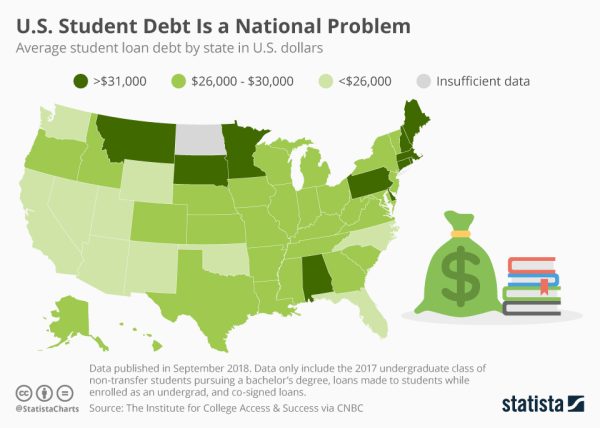
Because of these rising costs, many students take on a large financial responsibility before they even enter the workforce. The average student at a public university borrows nearly $32,000 to earn a bachelor’s degree, and that amount can rise to more than $42,000 when private loans are included. For someone who is just starting their career, this debt can lead to several years of income. Many college graduates struggle to save money, move out of their parents’ homes, or afford basic needs, and this is all mostly because a portion of their salary must go toward repaying student loans.
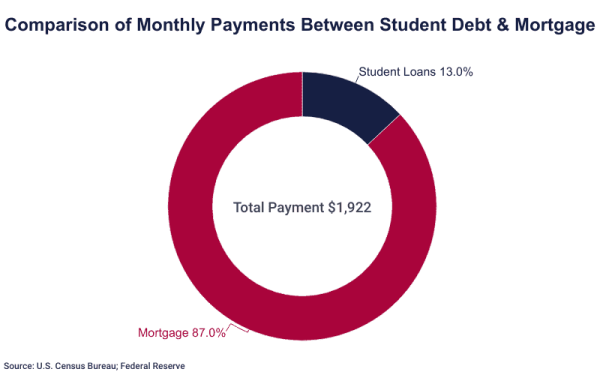
Student debt does not only affect monthly finances; it can also influence major life decisions. Graduates with high levels of student loan debt may delay buying a home, starting a business, or having children due to financial stress. Student loan payments increase a person’s debt-to-income ratio, which can make it harder to qualify for a mortgage or take financial risks. As a result, student debt often continues to affect individuals long after graduation and into early adulthood.
Many borrowers also struggle to repay their loans even after they begin working. Although student loan debt declined briefly at the beginning of 2023, it increased rapidly again in 2024, largely due to federal loans. A significant number of these loans are delinquent, meaning that the payments are late or even missed. This suggests that many borrowers do not earn enough money early in their careers to manage loan repayment comfortably. Student loan debt remains an ongoing problem for many students and graduates.
In response, policymakers have proposed several ways to address the student debt crisis. Repayment plans that are driven by income adjust monthly payments based on how much a borrower earns, which can help those with lower incomes. Other proposals focus on reducing the cost of college itself, such as making college free or low-cost and expanding financial aid programs, but this still affects students who are planning on attending colleges with a higher education. While these solutions vary in effectiveness, they reflect growing concern about how student debt affects both individuals and the overall economy.
As tuition continues to rise and borrowing remains a primary way students pay for college, student loan debt still stays closely tied to the job market that graduates enter. The long-term growth of student debt clearly highlights the challenge students face in balancing the cost of education with the income they earn in the years immediately after college, which is a challenge that continues to affect the future of higher education.