




























“What is given may be taken at any time”
I don’t even know where to begin….
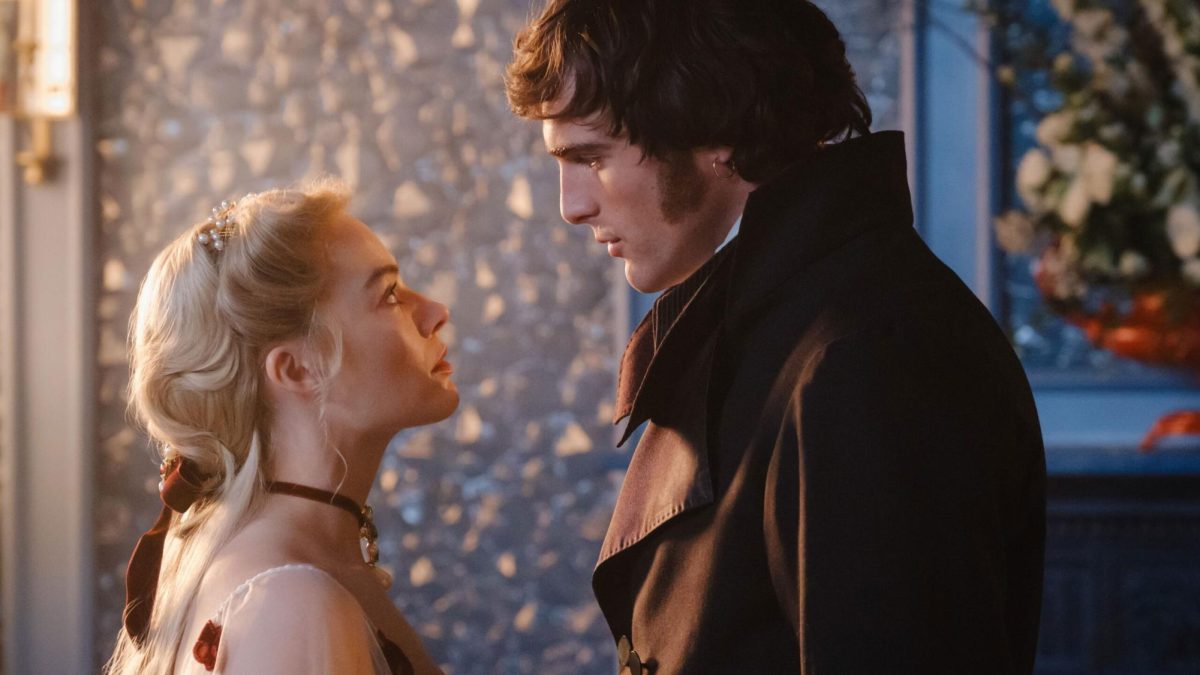
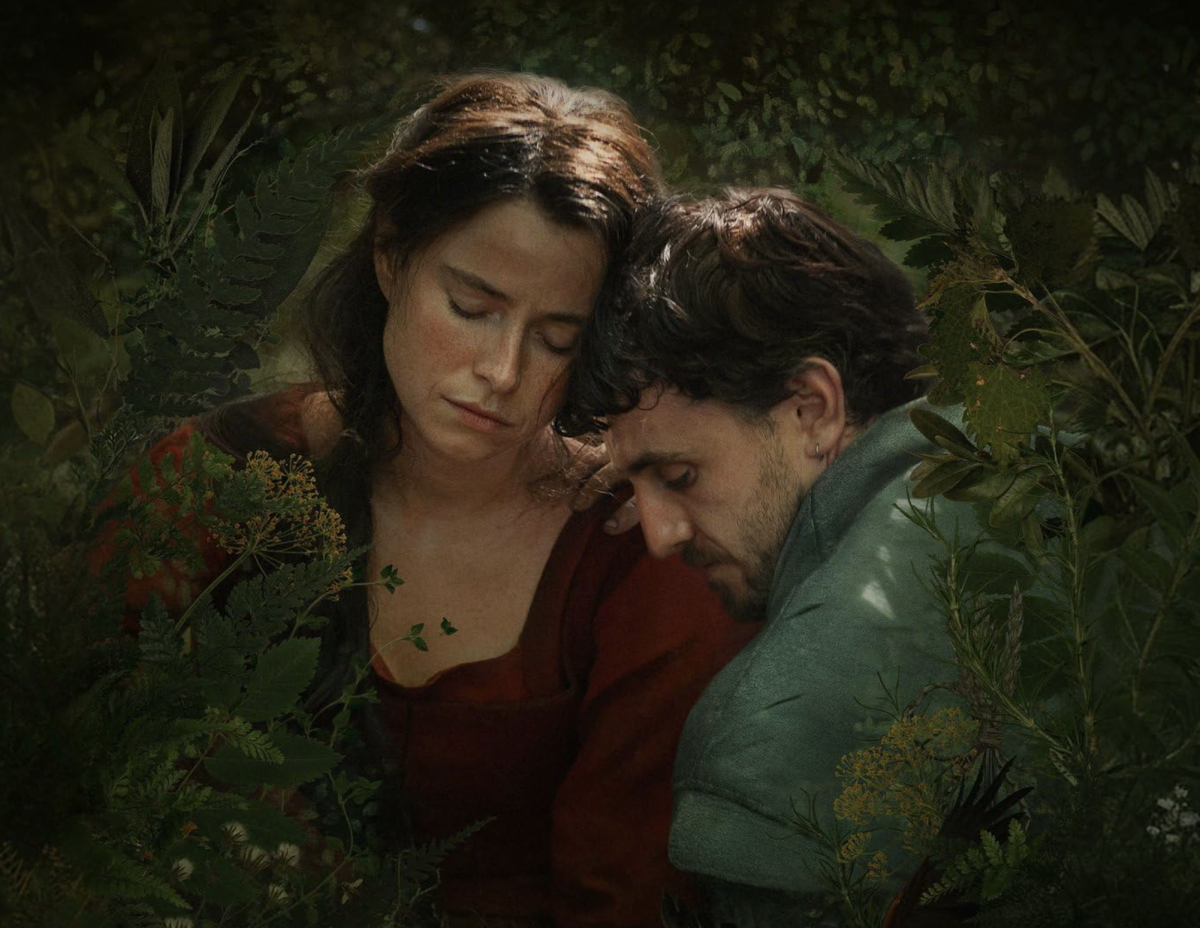
Gorgeously poignant and rich in message, Hamnet follows a young Agnes and William as they grapple with the grief inflicted by the unexpected death of their 11-year-old son Hamnet, a death believed to have inspired Shakespeare’s timeless tragedy Hamlet. Hamnet is based on the book of the same name, and the film tells an unbelievably tragic and fragile tale of love and loss, but does so in the most beautiful, poetic way imaginable.
A part of why I think that this film really pulled on audiences’ heart strings (including myself) is because I think everyone, in a way, can relate and empathize with this film. Everybody knows what it feels like to lose someone close to you, to have someone you love be ripped from your grasp, never to see them again. And even if one hasn’t, they can only imagine the immense suffering and pain that such a tragedy would bring. Hamnet delivers an excruciating reminder that life is temporary, that our fragile minds and bodies that give us life can be taken away in an instant, with or without mercy. I expected this film to be melancholic and sad at times but I don’t think anything could’ve prepared me for the emotional whirlwind that is Hamnet.
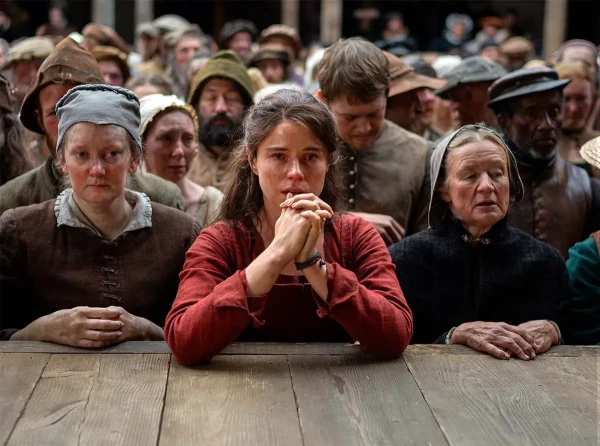
There are a couple extremely powerful moments throughout the film, such as the childbirth scene and the death of Hamnet that certainly left me teary-eyed, but they elicit more of a quiet sadness or joy, forcing you to sit still in the moment and silently absorb everything that occurs on screen. But by those last few minutes, as the actors put on Shakespeare’s famous tragedy, Hamlet, all of the emotions just poured out of me, completely and utterly destroying me. I left the theaters wrecked, but not disparaged. As I watched all of the audience alongside Agnes collectively put their hands towards center stage, unified in their shared sorrow and human connection, I felt seen, as if I too, were part of that beautiful moment. I too felt hopeful, hopeful knowing that grief is universal, that we’re all simultaneously united by the isolation and pain caused from those we’ve loved and lost. I was moved by the film’s portrayal of the communal power of art, and its ability to simultaneously bring people closer together whilst mending the wounds that words themselves can’t fix. It’s ultimately because of this emotional buildup, all of the joy, pain, and grief that we endure throughout the film, that the ending has this spiritual and emotional power. It can be quite easy for a film to feel emotionally manipulative, but Hamnet couldn’t veer farther off from that statement, as the overwhelming purge of emotions and catharsis in its finale was entirely earned.
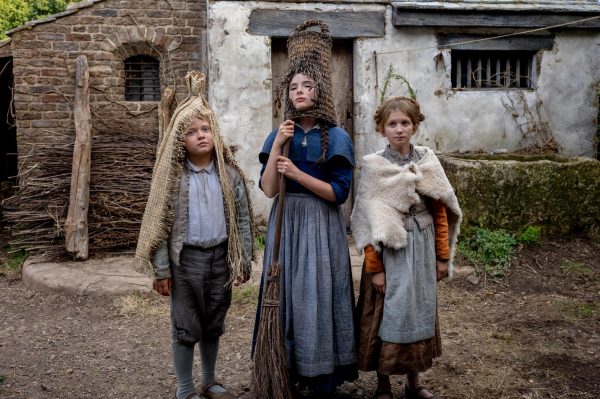
From a technical perspective, Hamnet is essentially flawless. Whether it’s the intimate camera angles, the use of beautiful landscapes and natural lighting, or the masterful, ethereal sound design (most effective in its use of silence), you are immediately engulfed within the scene and this very romantic period in time. Chloé Zhao’s magic touch is unmistakable here, as she doesn’t shy away from the immense joy and unbearable sorrow that the film carries, rather, she pulls you in even closer. The film’s big, cinematic moments and the tender, familial relationship hold equal weight in the eyes of Zhao and it’s because of this that balance she, and the rest of the crew achieve, that Hamnet is so effective in its storytelling. Speaking of storytelling, another of the reasons that I love this film so much is the film’s script, as it is an excellent example of great, masterful writing. Zhaó and fellow screenwriter Maggie O’Farrell keep the plot structure easy to follow and the dialogue rather simple, putting central focus on the acting. With Hamnet, they’ve created a screenplay that’s beautifully rich in its morals without ever over-polluting it with unnecessary scenes, ultimately allowing the raw emotion, vulnerability, and tenderness in the actors’ exquisite physical and vocal performances to shine through in an impactful way.
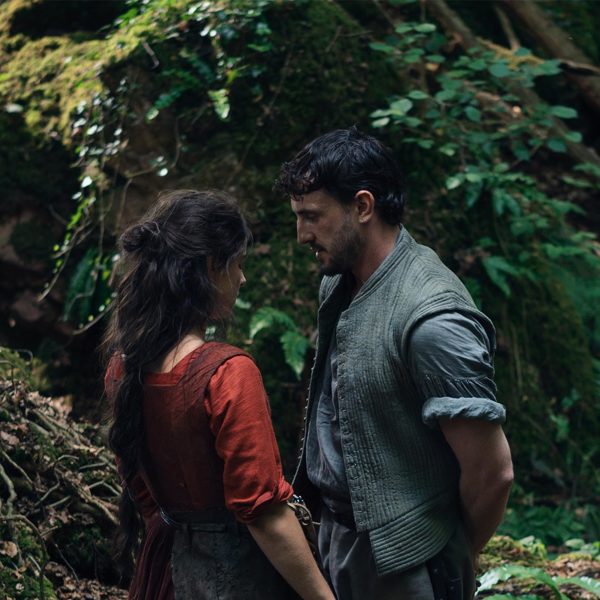
Before I wrap up, it would be a disservice to not touch on said performances, because they’re arguably the greatest part of Hamnet, alongside its moving conclusion. Jessie Buckley and Paul Mescal not only give some of the best performances of the year, but the best in recent times, both of which are excruciatingly raw in their display of emotion, of the way in which grief appears and consumes us all in different ways. Jessie Buckley gives a much more physical and vocal performance, as much of her role is centered on the complexities of motherhood, and all of the love, tragedy, and unbearable heartbreak that comes with it. Her facial expressions are genuinely unreal, and are easily up there for some of the most passionate, telling, and soulful I’ve ever seen on film, ever. Her soul-touching portrayal of Agnes was captivating for every second of the film, but her presence during the play production at the end was just unbelievably moving. And Paul Mescal, who is one of my favorite working actors, never fails to deliver a painstakingly tragic yet remarkable performance, and his supporting act in this film is no different. His role as William Shakespeare is much more subdued and emotionally reserved in comparison to Buckley’s Agnes, but it takes a lot of skill and talent in order to deliver the impactful performance that he does. For a character as mysterious and closed-off as William, Mescal somehow is able to give us glances into both the brilliance and devastation that consumes the character’s mind. And the two are just mesmerizing to watch on screen together, displaying not only a strong romantic attraction but also this deeply-realized emotional and spiritual connection. They really are just these two individuals perfect at evoking both the over-joyous love and unmistakable pain that fills the human soul. Also, 12-year-old Jacobi Jupe gives arguably the greatest child acting performance ever to be put to screen. It’s astonishing to me how heartfelt, passionate, and deeply moving Jupe is in his portrayal of little Hamnet, a portrayal that resonated with me deeply. Truly magnificent work from the entire cast.
To say I had high hopes for Hamnet would be an understatement, but I certainly was not prepared for the delicate, powerful, and spiritual film that it would turn out to be. It additionally served as a brutal reminder that orchestrating “On the Nature of Daylight” into your film’s finale is the quickest way to turn me into an emotional wreck. Max Richter is a dirty, cheeky lil bastard, but I’d be lying if I said his work on the score for this film was anything other than exceptional.
Hamnet truly is a gut-wrenching, yet beautiful and delicately-painted portrait of love and loss, simultaneously flooding me with an overflowing sense of emotion and healing my soul in a way that only cinema has the power to do. This is a film that should be experienced in theater in order to get the full, spiritual effect, so make sure to catch it before it leaves theaters.