



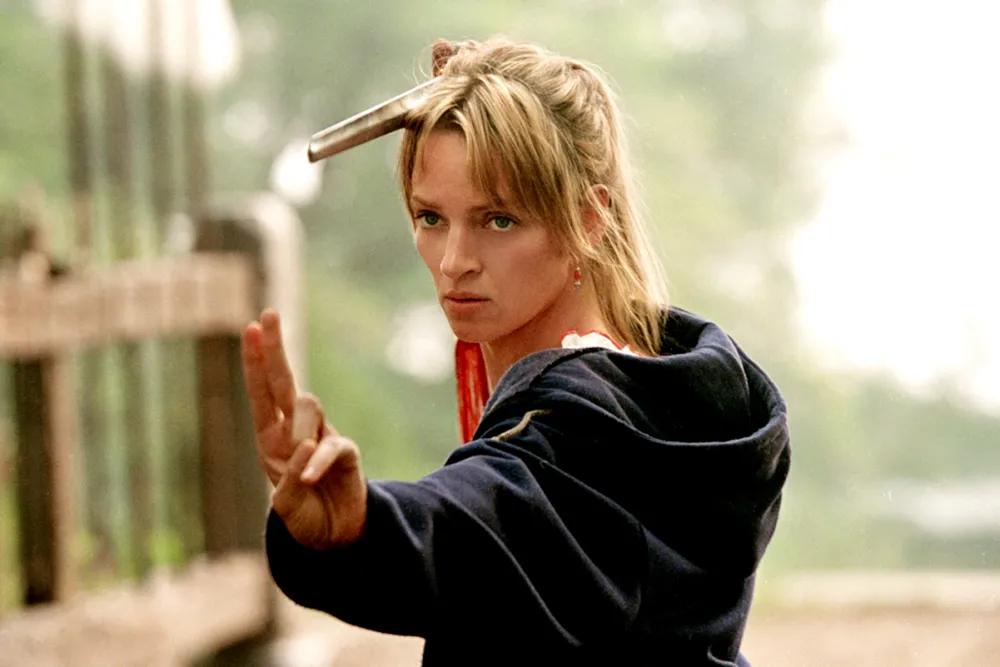
“By 25, she did her part in the killing of 9 innocent people, including my unborn daughter, in a small wedding chapel in El Paso, Texas. But on that day, four years ago, she made one big mistake: she should have killed 10”
I have loved both Kill Bill Vol. 1 and Kill Bill Vol. 2 ever since I watched them as a kid. In my mind I’ve always thought of them together as one continuous film, so to be able to watch Kill Bill in its entirety in theaters was a truly unforgettable and life-altering experience.
Kill Bill: The Whole Bloody Affair is the definitive way to experience the Kill Bill universe, as it truly is the 4.5-hour-long genre-bending, operatic action epic that Tarantino intended it to be. It’s essentially a love letter to Japanese and Asian cinema, as it’s heavily inspired by Japanese samurai films and black exploitation cinema as well as the Kung-Fu action flicks popularized in Hong Kong. And beyond that, Tarantino clearly drew inspiration from that of spaghetti and American westerns, capturing the visual style and various character archetypes often found in these films. And what really glues Kill Bill: The Whole Bloody Affair together is its masterful use of hyper-stylization, as it’s the surreal and exaggerated nature of all aspects of the film that makes it such a compelling action epic and gives it a unique identity.
On to other aspects, the visuals are just outright gorgeous and often cranked up to the highest saturation. But other than the beautiful cinematography, what makes the visuals so brilliant is the use of color to amplify the mood or emotion of the plot, such as the use of black-and-white in the more intimate moments and the use of that indigo blue in the famous back light sequence. The camera work and editing are also excellent, mostly due to its rather comical effect. From the quick zoom-ins and siren sound every time The Bride sees one of her targets to the iconic Wilhelm screams and other goofy sound effects inserted during the fighting sequences, this film has got everything. Also, I’m pretty sure I heard an audio clip of bowling bins being knocked down when the one Crazy 88 member got slammed into a table. And the score/soundtrack…it’s just absolutely perfect. The music perfectly matches the varying tones in the film, as it transitions between fighting scenes and crucial plot moments, and it plays a huge role in establishing the film’s cinematic nature.
And while The Bride’s revenge story was clearly intended to be one continuous film, and is much better that way, the two parts of Kill Bill: The Whole Bloody Affair, the two halves being Vol.1 and Vol. 2, really couldn’t be more distinct from each other. While there are some plot points and narrative elements, the first half really is just a big action film. From the opening fighting scene between the Bride and Vernita Green to the Crazy 88 battle sequence, the set pieces in this section are truly phenomenal. From the use of swordplay, hand-to-hand combat, and other unique weaponry to the sheer roughness and continuous blood splatter, the film has this sort of cartoonish violence that you can’t help but become enthralled by. Also, I love how The Whole Bloody Affair included the extended animated sequence for O-Ren’s background, expanding upon its tribute to Japanese cinema and culture.
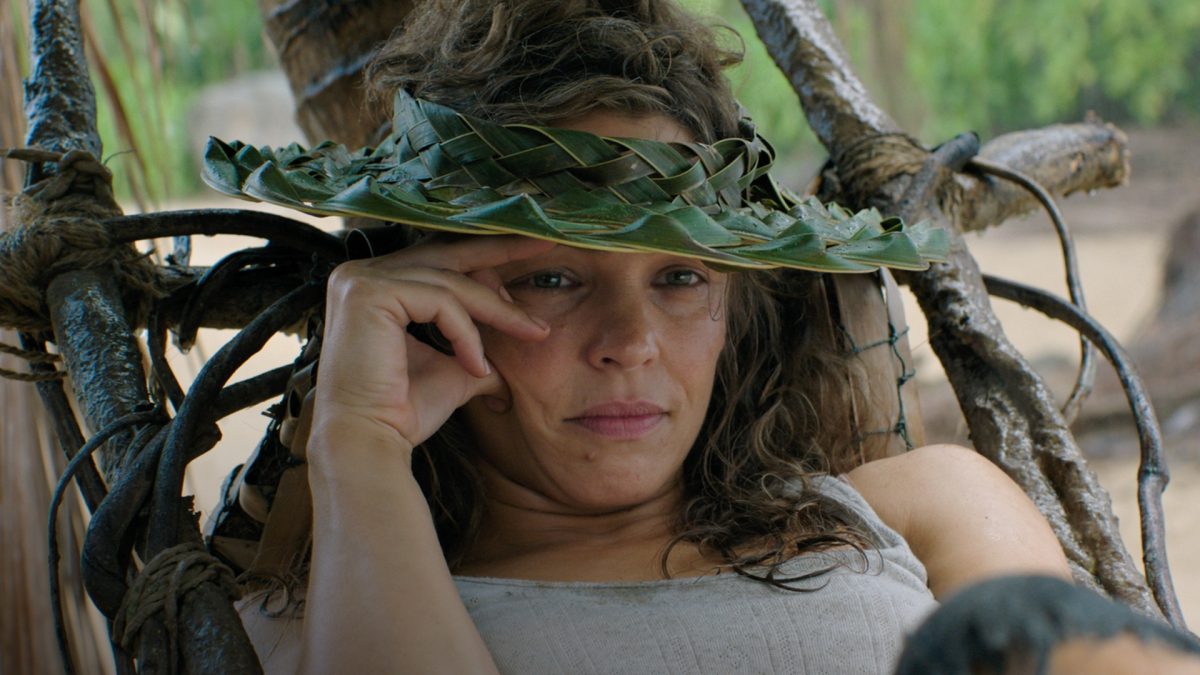
And while I absolutely adore every ounce of the first half, upon rewatching I still love the second half even more. Actually, I believe part of my immense love is due to all of the chaos, combat, and dueling that The Bride endures in the first half of her journey. It’s because of these battles that every setback, obstacle, and fight in the second half holds more weight, as she gets closer to completing her vengeful quest, finding Bill, and discovering purpose (a purpose found in a certain little girl). Another reason as to why the second half is my favorite is that I adore the storytelling, as it’s the exploration of the dynamics and relationship between Beatrix and Bill, the drawbacks Beatrix faces, and the glances into the lives and motivations of the remaining Deadly Viper Assassination Squad members that really grips my attention. It’s the second half of the film that really grounds the narrative and characters in a sense of humanity, and whilst this section isn’t without its chaos, it provides a more personal and introspective look at this world, establishing a tone and vibe that really works for me. But what I love most about the second half (the main reason as to why it’s my preferred half) is the fight between The Bride and Elle Driver in Budd’s trailer, or as Tarantino likes to call it, the “War of the Blonde Gargantuans”. It’s not only by far my favorite scene in the film (which says a lot considering how many remarkable scenes there are), but it’s one of my favorite scenes of all time, period. I just love how much pent-up tension and bad blood exists between the two, culminating in a fight that is brutal, downright dirty, and almost barbaric in nature. And when The Bride grabs Elle’s other eye out of the socket… pure cinema! Also, who doesn’t love a fight between two savage female assassins?
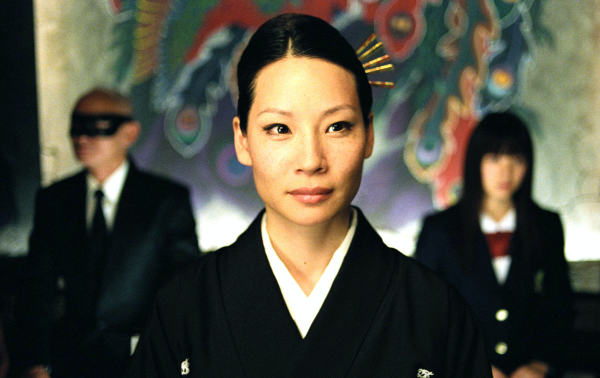
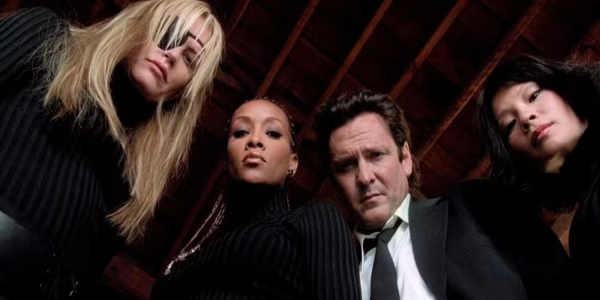
This brings me to my last point: the characters. Everyone was perfectly cast, with performances from David Carradine as Bill, Vivica A. Fox as Vernita Green, and Lucy Liu as O-Ren Ishii being the most memorable and iconic roles of their respective careers. That being said, there are two spectacular performances in particular that I need to talk about. Daryl Hannah is legendary as Elle Driver, as she confidently exudes the cunning charm and absolute ruthlessness of the character. And certainly, I couldn’t talk about performances without talking about Uma Therman: the bloody heart and soul of this film. Beatrix Kiddo, or The Bride, is undoubtedly one of the greatest female protagonists of all time, and a personal favorite of mine. A big part of the role is that it requires a certain physicality and Uma Thurman just nails it. Between the extensive martial arts and swordsmanship training, her powerful physical presence, and doing (most of) her own stunts, Thurman expresses true dedication to the role and it pays off, as she truly does become The Bride in every aspect of the character. She embodies the dangerous, highly-skilled, and brutal combatant that is the “Black Mamba” in the fighting sequences, but also the tragic human, grieving mother, and determined Bride in the more intimate, tender moments. Also, I just love Uma Thurman’s voiceover and I think that her narration throughout the story makes her vendetta against the Deadly Vipers feel that much more serious and personal. There’s a reason why Quentin Tarantino refused to film Kill Bill if Uma Thurman wasn’t Beatrix Kiddo…
At its core, Kill Bill tells the story of a former assassin who, on the day of her wedding rehearsal, is betrayed and left comatose by the man she once loved most. Upon awaking from her four-year coma, the tragic bride sets out on a bloody, vengeful quest to eliminate all who wronged her and killed her unborn child. And while I love a good revenge plot and violent, bloody action as much as anyone, it’s Beatrix’s arc, a character once driven by her pain and rage that finally finds peace, alongside these motifs woven throughout the narrative regarding motherhood, redemption, and fate that make Kill Bill such a remarkable, impactful, and personal story for me. I love both Kill Bill films deeply, so being able to witness Kill Bill: The Whole Bloody Affair in its cinematic entirety was a truly magnificent experience
This film came out at a such an awkward time (#JusticeForPaulDano), but Kill Bill: The Whole Bloody Affair is a top 6 film of all time for me and easily my favorite of Tarantino’s filmography.