


























Fast Facts
Full Name: María Isabel Urrutia Ocoró
Lifespan: 1965–Present
Nationality/Origin: Colombian (Afro-Colombian)
Primary Field of Influence: Athletics and Politics
Most Notable Work/Achievement: First Colombian to win an Olympic gold medal (2000 Sydney Olympics, Weightlifting – 75 kg category)
Profile Overview & Significance
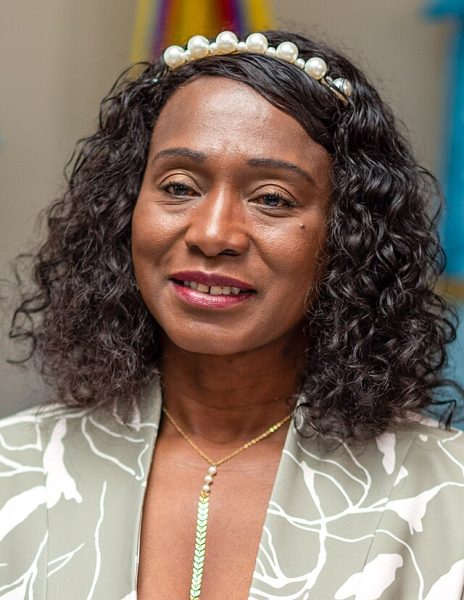
María Isabel Urrutia is one of Colombia’s most influential figures as she puts the worlds of sport, politics, and social justice on the big stage in Colombia. Her historic gold medal at the 2000 Sydney Olympics is Colombia’s first-ever Olympic victory, which has completely redefined national identity by celebrating Afro Colombian excellence on the global level. Urrutia’s win symbolized perseverance and pride for a nation long divided by inequality. Beyond her athletic achievements, she became a political leader and advocate for minority communities. She continues to use her platform to promote equality, representation, and access in sports. Her influence was most deeply felt in late 20th and early 21st-century Colombia, where she reshaped both athletic and cultural narratives.
Historical & Cultural Context
Urrutia’s rise unfolded within Colombia, marked by deep racial and gender disparities. Black Colombians–especially women–faced systemic exclusion from political, economic, and athletic opportunities. In a society that often idealized Eurocentric beauty standards and marginalized Black identity, Urrutia’s visibility as a strong, successful black Colombian woman was revolutionary.
Growing up in Candelaria, Valle del Cauca, she experienced the limitations of poverty and racial prejudice. Yet, her father’s encouragement and her killer mindset led her to athletics, first excelling in shot put and discus before transitioning to weightlifting in 1989. This shift was not merely a change in sport—it was a defiance of expectation. At a time when women’s weightlifting was still gaining recognition, Urrutia’s entry into the field challenged both gender norms and racial stereotypes. Her early struggles for recognition and resources mirrored the broader fight for Afro-Colombian visibility and equality in national life.
The Catalyst & Primary Contribution
Urrutia’s defining moment came at the 2000 Sydney Olympics, where she lifted not only weights but the collective spirit of a nation. Her gold medal in the 75 kg category was the culmination of years of discipline, resilience, and quiet rebellion against systemic barriers. Before this victory, she had already dominated regional competitions, such as the Bolivarian Games, consistently earning first place finishes and establishing herself as a continental powerhouse.
Her success was rooted in relentless training and mental fortitude. Competing in a sport that demanded both physical strength and psychological endurance, she became a model of perseverance. Yet, her journey was far from easy. Limited funding, lack of institutional support, and racial bias often threatened her progress. Despite these obstacles, Urrutia’s focus never wavered.
The breakthrough in Sydney was more than personal, it was a revolution for the whole country. As the Colombian flag rose and the anthem played, millions of black girls in Colombia saw in her victory a reflection of their own struggles and aspirations. Urrutia’s success redefined what it meant to be Colombian, expanding the narrative to include black descendant pride and female empowerment. Her win inspired a new generation of athletes, particularly from Afro-Colombian communities in Cali, Buenaventura, and Cartagena, who saw a path forward in her.
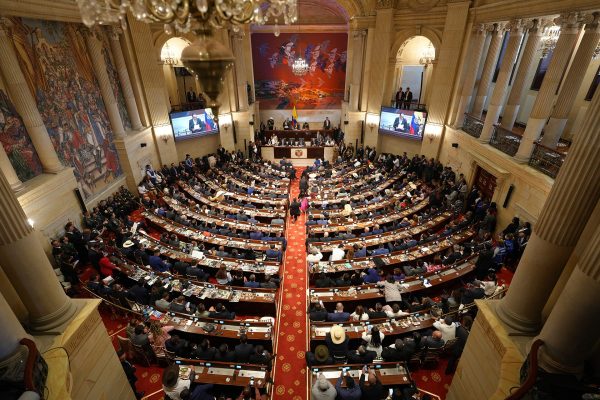
After retiring from competition, Urrutia carried her momentum into politics. Elected to Colombia’s House of Representatives in 2002, she championed policies promoting sports as a tool for education and social inclusion. Two decades later, she became Colombia’s first female Minister of Sports, continuing her mission to bring athletic opportunity and challenge inequality from within the government.
Original Voices & Contemporary Sourcing
Urrutia has often spoken about the symbolic weight of her Olympic victory, once stating that her gold medal “was not just mine, it belonged to all Colombians who had been told they couldn’t.” Her words capture the essence of her philosophy: collective triumph through individual perseverance.
Media coverage at the time hailed her as a national hero, with headlines celebrating her as “La Mujer de Oro” (“The Woman of Gold”). Yet, beyond the celebration, her story was also framed as a breakthrough for Afro-Colombian representation in a country still grappling with racial inequity.
In later interviews, Urrutia reflected on her dual identity as athlete and advocate, emphasizing that “sports can change lives, but only if everyone has access.” This conviction continues to guide her political and social work, reinforcing her belief in equality through empowerment.
Global Legacy & Enduring Influence
María Isabel Urrutia’s legacy transcends Colombia’s borders. Her Olympic triumph placed Colombia on the global sports map and inspired broader conversations about race, gender, and representation in Latin America. Her advocacy has influenced sports policy across the region, encouraging investment in youth programs and inclusion initiatives.
Today, her impact endures in the growing number of Afro-Colombian athletes who dominate international competitions, many citing her as their inspiration. Institutions and sports academies across Colombia honor her contributions, and her story is taught as a symbol of resilience and national unity.
Urrutia’s journey—from a small town in Valle del Cauca to the Olympic gold to the halls of government–embodies the transformative power of determination. Her life continues to remind the world that true strength lies not only in physical might but in the courage to lift others alongside oneself.