


























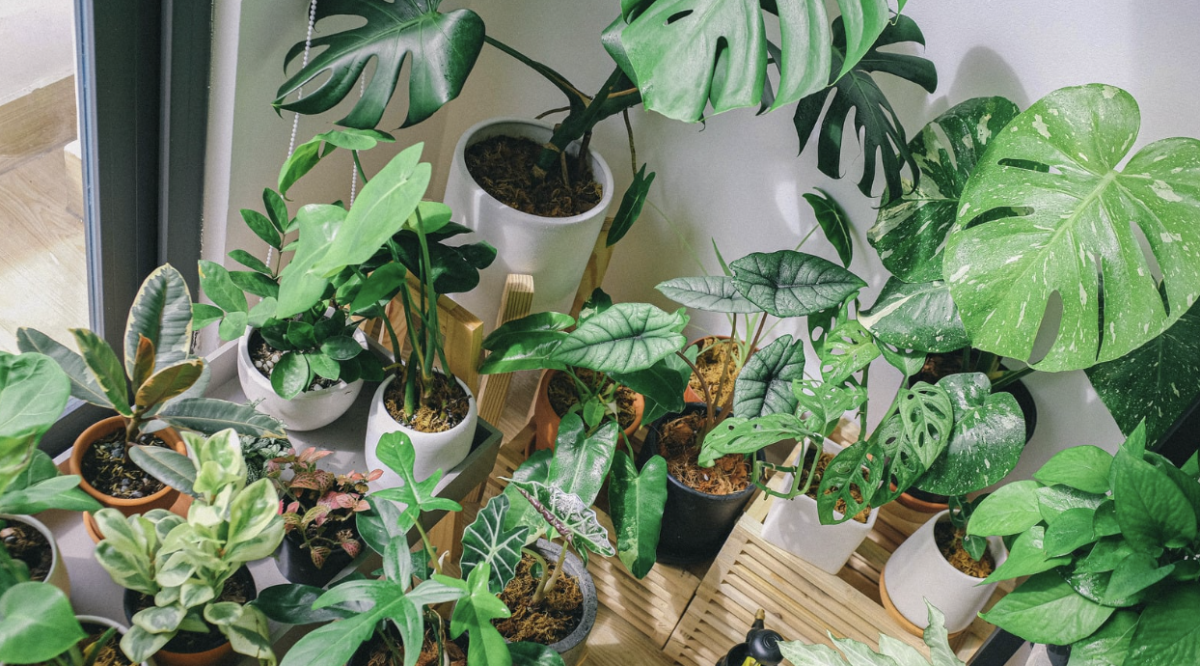









I’m sure everyone is happy to open their phones in the morning to see highs of 80ºF, but I doubt we need a weather app to feel the mid-afternoon heat. Of course, with spring comes a horrid allergy season (this one being worse than most). But not to worry! You can experience beautiful flora without having to leave your home and brave the pollen breeding ground outdoors. Houseplants are allergy friendly and just as beautiful as spring blooms–so I say it’s time to transform your living room into a personal jungle. You might say, “I don’t have a green thumb,” or “I kill every plant I take care of,” but there are plenty of beginner-friendly houseplants that require minimal maintenance, perfect for that empty corner of your bedroom or bare coffee table. Below is a list of how to take care of my personal favorites as well as a few fun facts about their growth.
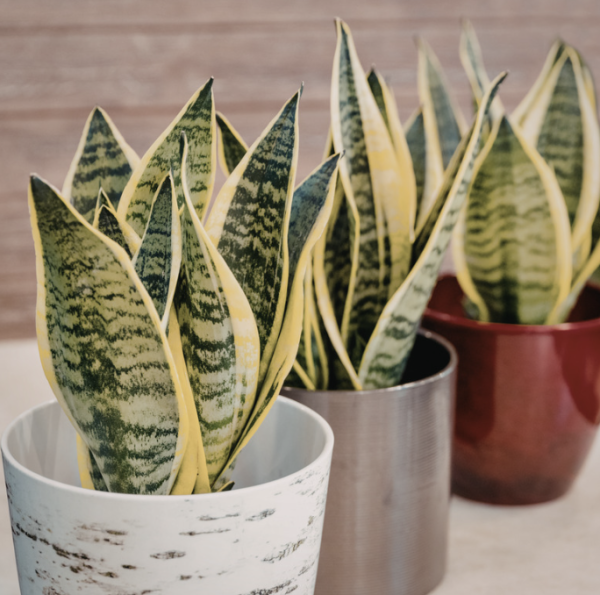
- Snake Plant (Dracaena trifasciata)
Snake plants are air purifying CAM succulents, meaning they convert CO2 into oxygen at night as opposed to the daytime. They have very tall spear-like leaves that grow up from their base and can vary in colored patterns, the most common being yellow and green. While they are hardy and adaptive plants, they prefer indirect light. Their potting mix should be meant for succulents and cacti: slightly rocky and exceptional drainage. Watering is only required when the soil is completely dry, so perfect for a bathroom windowsill or bedroom nightstand. Don’t worry, they won’t be offended if you forget to water them for a few weeks. Popular varieties for beginners include Laurentii (yellow-edged) and Zeylanica (dark green striped).
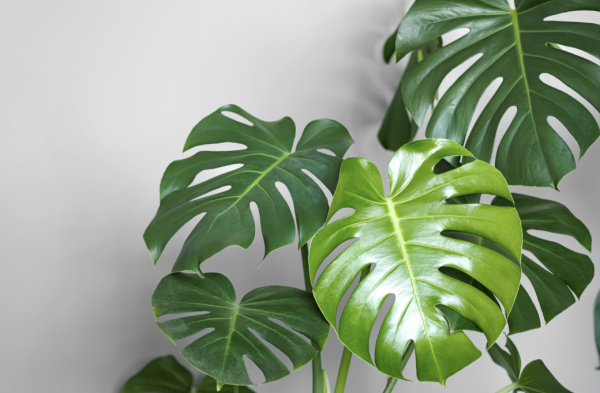
2. Swiss Cheese Monstera (Monstera deliciosa)
There are many different varieties of monstera, but the deliciosa is by far the most stunning and easiest to maintain indoors. This tropical beauty thrives in bright light, warm temperatures, and high humidity. They should be watered enough to keep the top layer of the soil moist. You might also consider placing a pole in the pot as this rainforest vine loves to twist and climb. This famously delicious (see what I did there) name comes from the natural holes in their leaves, designed to let rain pass through and prevent tears in strong winds. However, they should be elevated in the home on a bench or stool as they are toxic to pets and children.
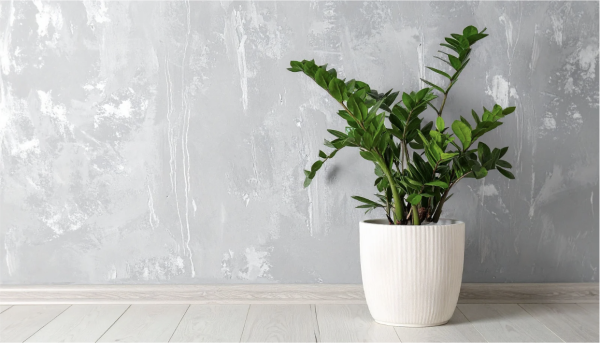
3. ZZ Plant (Zamioculcas zamiifolia)
Even though ZZs are very drought tolerant, they’re quite the “sleepers” with their slow to moderate growth rates. If you’re ever repotting one of these beauties, don’t be alarmed by the large bumps on the roots. They have rhizomes–nodes meant to store nutrients–in order to thrive in dry conditions. Popular varieties include the deep purple Raven or compact Zenzi. The classic version’s dark green, shiny leaves prefer low light and are perfect for a gardener looking for something low maintenance. ZZ Plants should be watered once the soil completely dries out (3-4 weeks) as their roots are very sensitive to overwatering. Make sure to keep them away from any vents or drafts in the house as they prefer temperatures above 65ºF. This might not be the best plant for pet owners as they can be toxic if ingested.
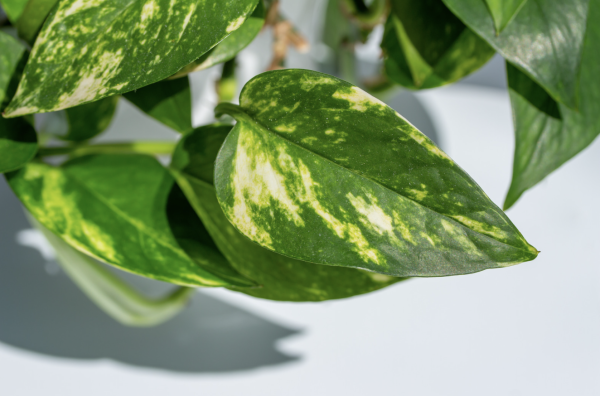
4. Pothos (Epipremnum aureum)
These are the most classic kitchen counter plants out there. “Pothos” translated in Greek means longing or desire. With the plant’s constant growth and gorgeous, heart-shaped leaves, it’s a very fitting translation! These fast growing trailing houseplants thrive in bright indirect light, high humidity, and typical household temperatures. Water when the top 1-2 inches of the soil are dry as Pothos can be susceptible to root rot. The most common varieties are variegated, meaning their leaves grow with different colors. They grow bushier and thrive when pruned occasionally. Lucky for us, they can be propagated very easily. If you have one Pothos in the house, you’re bound to have plenty more soon.
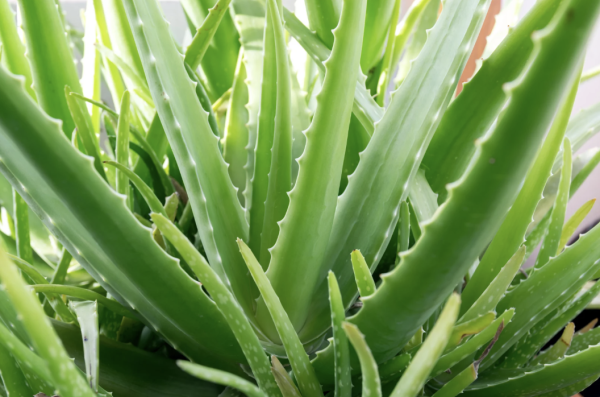
5. Aloe Vera (Aloe vera (L.) Burm. f.)
Make way for the king of succulents, the master of healing, and the “hey that’s in my lotion!” houseplant: Aloe Vera. This houseplant is more of a household commodity now, known for its ability to thrive on neglect and grow in even the harshest conditions. Aloe prefers indirect sunlight and infrequent watering every 2-3 weeks or when the soil is fully dry. They’re great to keep on hand in a kitchen for minor cuts and burns; the gel inside their leaves functions as a makeshift topical ointment for better healing. Even though this plant is famous for its spiny leaves, it can also produce yellow, red, or orange flowers once matured in substantial environments.
See? Raising plants isn’t so bad! Put a little love and water into them and you get oxygen and an array of bright colors out. Oh, and one last thing. If your plants die, it’s never your fault. They were just being too picky. Congrats, you’ve passed initiation into the Houseplant Nerd Association! Jokes aside, don’t be afraid to truly learn your plants and what they need. All of these houseplants can be purchased at local home stores… or just stop me in the hallway for a cutting you can raise yourself. You’ll have a green thumb in no time. Happy planting fellow gardeners!